
Instruments · Chordophones
Cittern
The cittern or cithren (Fr. cistre, It. cetra, Ger. Cister, Sp. cistro, cedra, cítola) is a stringed instrument dating from the Renaissance. Modern scholars debate its exact history, but it is generally accepted that it is descended from the medieval citole (or cytole). Its flat-back design was simpler and cheaper to construct than the lute. It was also easier to play, smaller, less delicate and more portable. Played by people of all social classes, the cittern was a popular instrument of casual music-making much like the guitar is today.
Summary: Wikipedia, “Cittern” — CC BY-SA 4.0. Revision of 2025-07-26.
Museum photographs
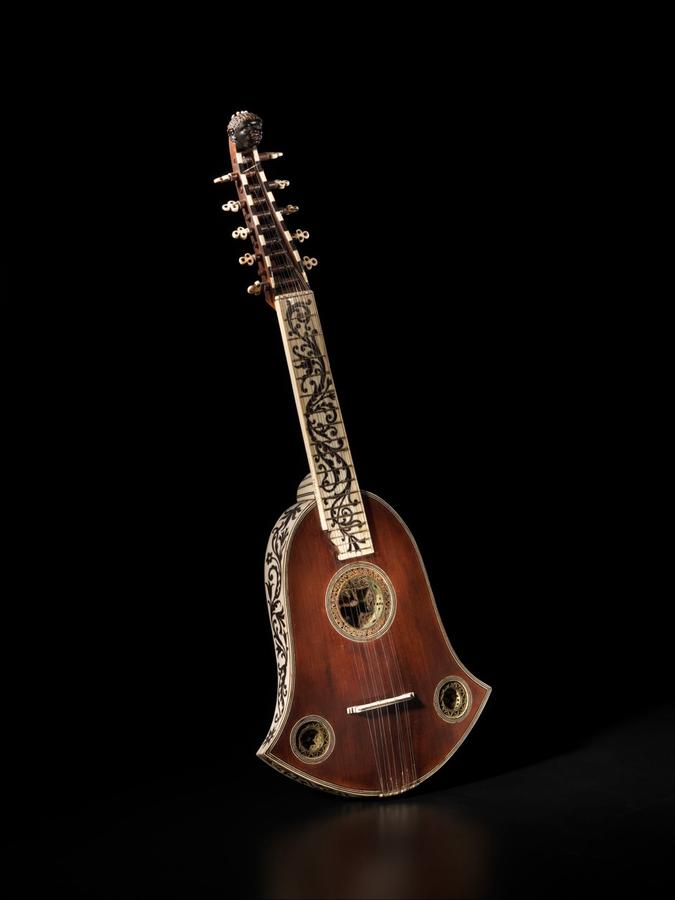
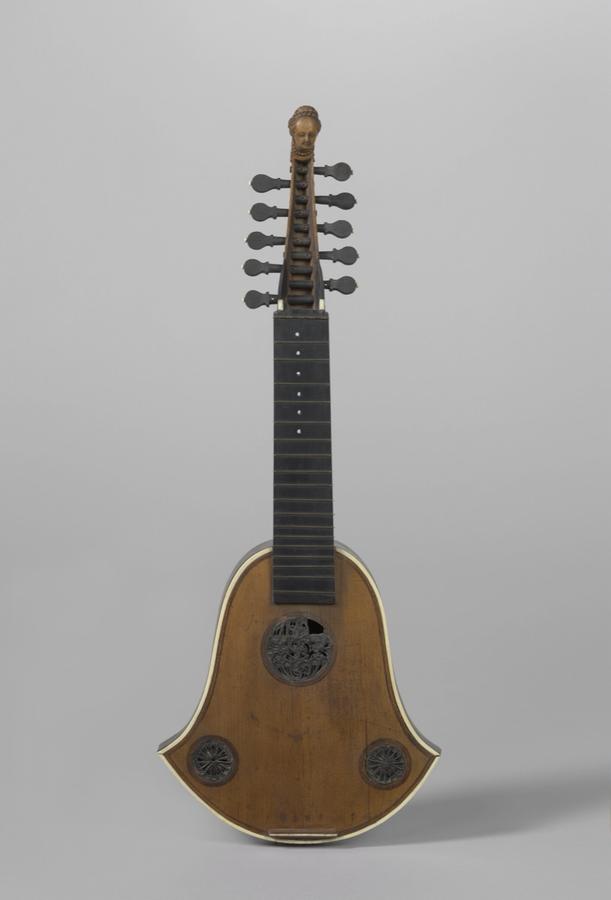
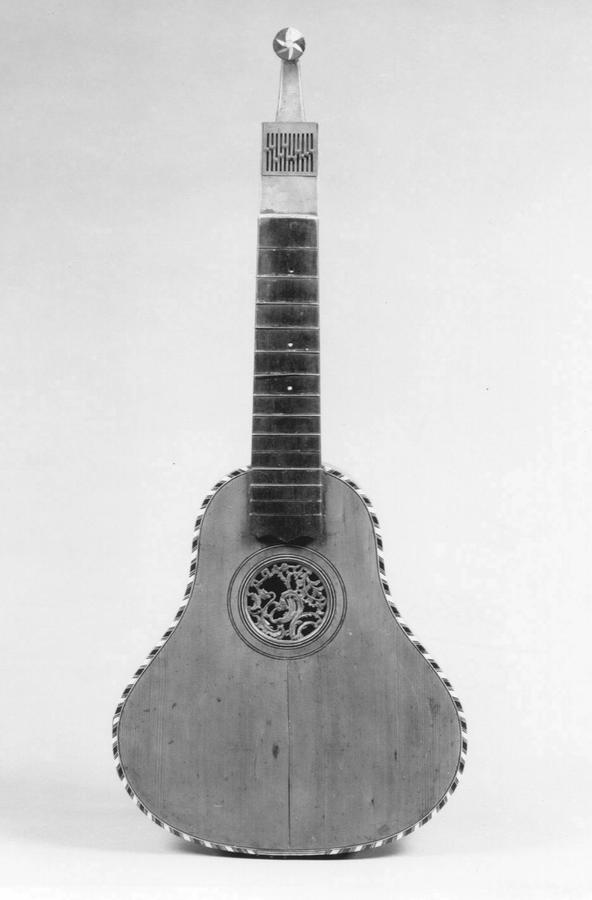
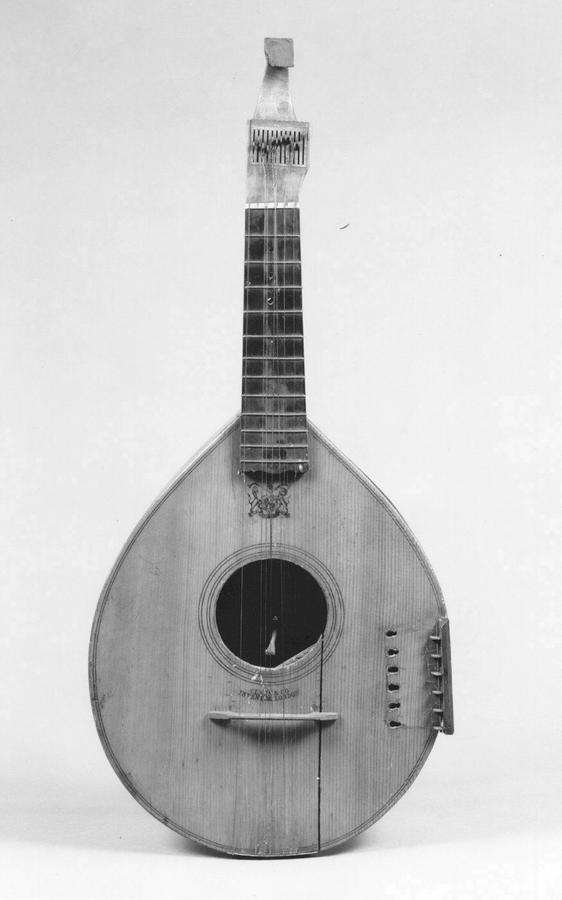
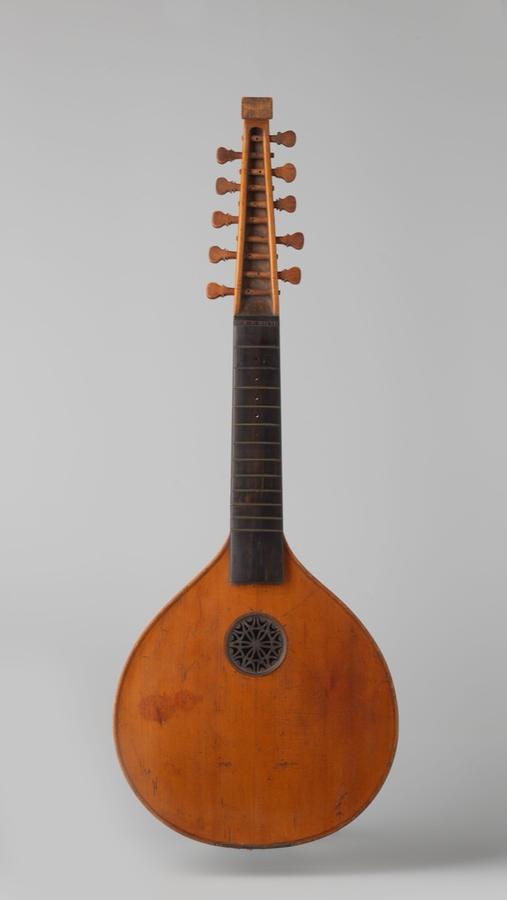
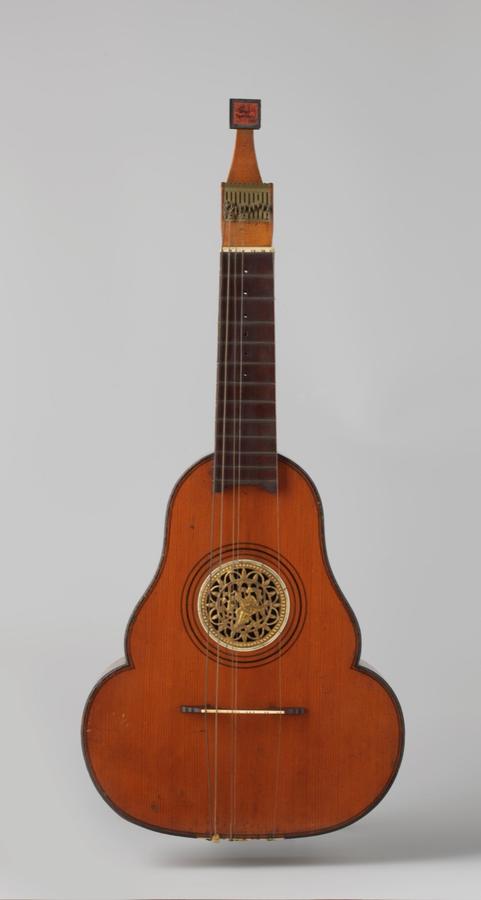
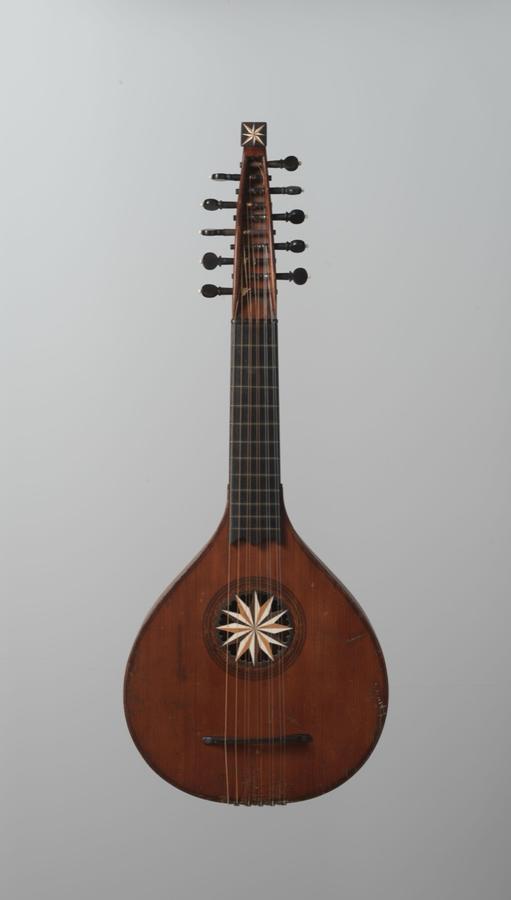
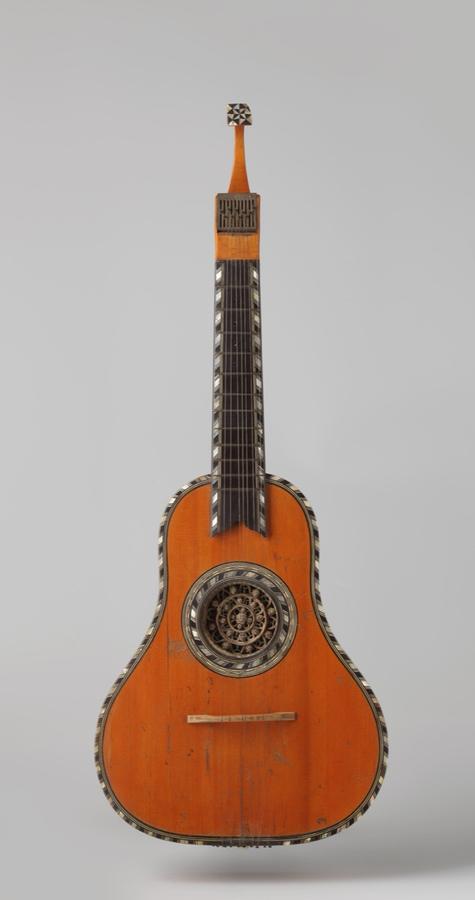
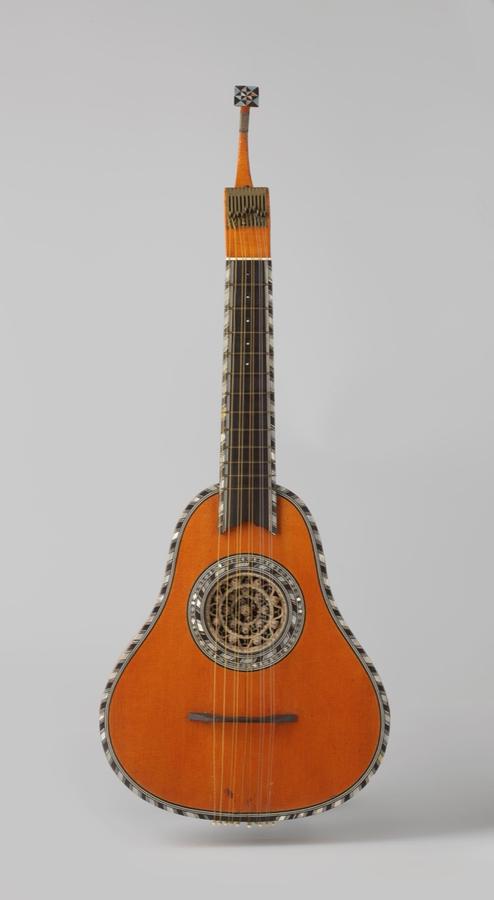
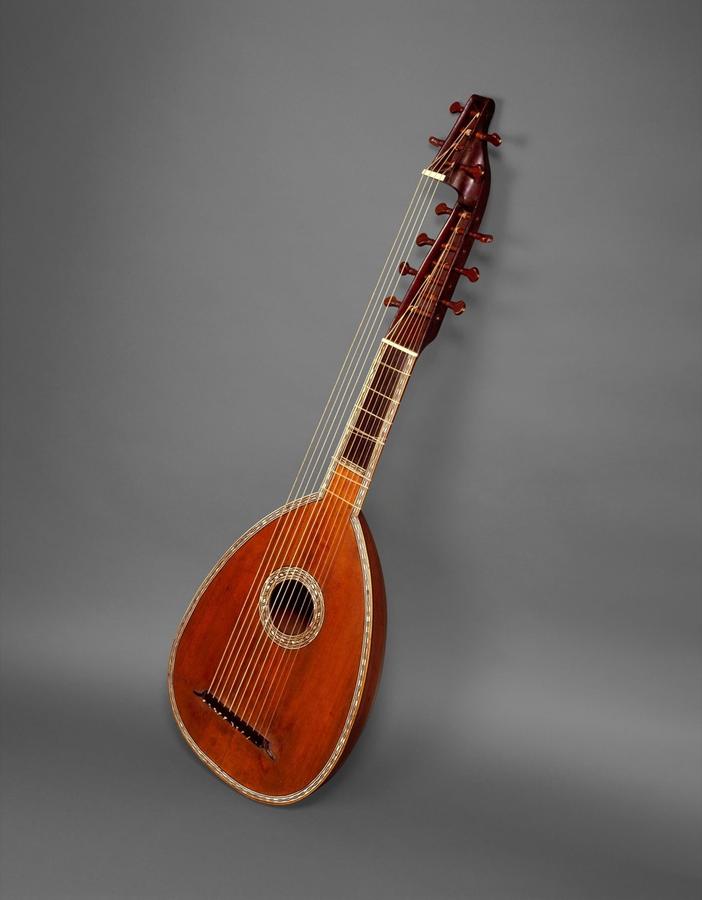
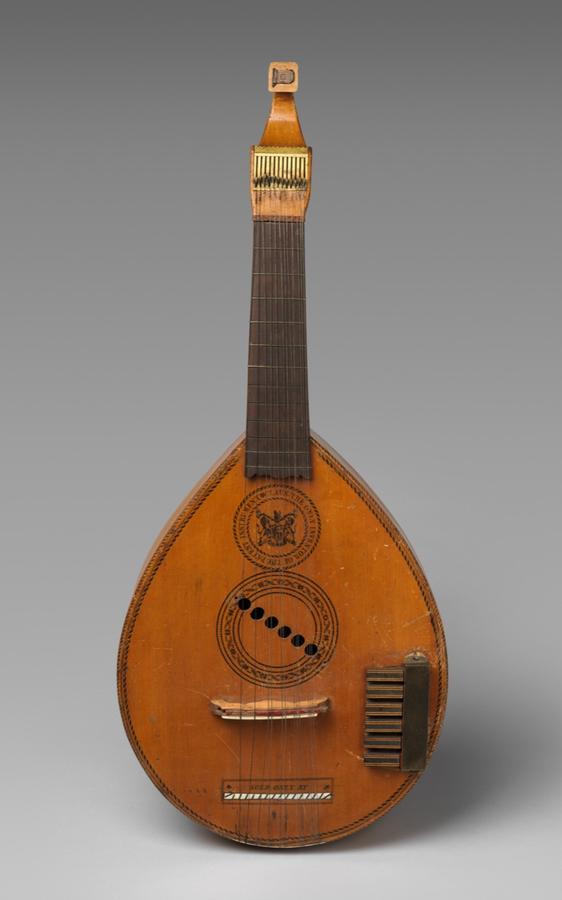
These 12 photographs span 1680–1805, 5 places of origin and 2 museums. Every photograph is public domain or openly licensed, and links to the museum’s own record.
-
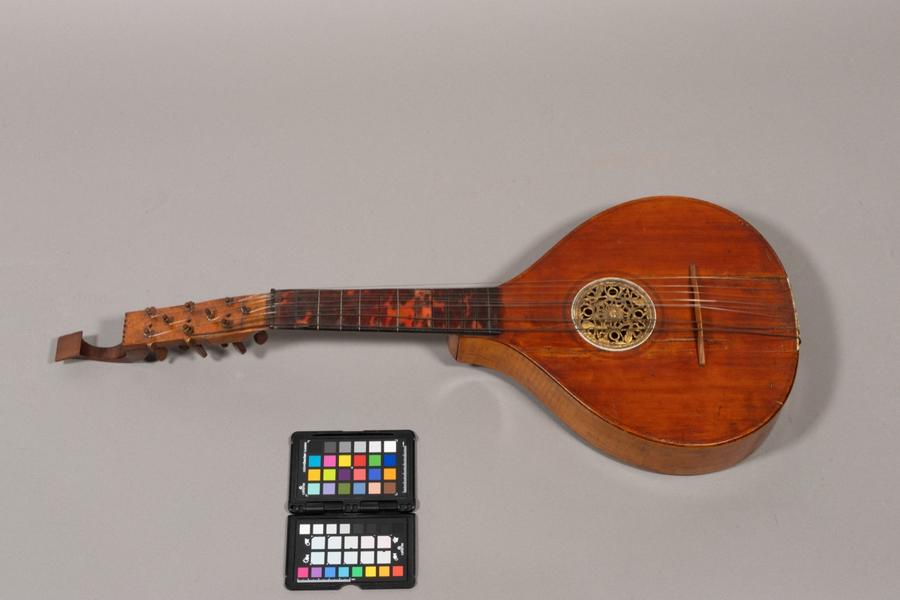
Citternca. 1780–95 · British (United Kingdom) -
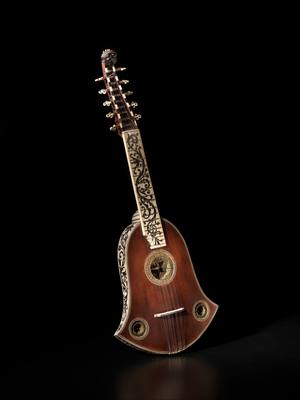
Citternca. 1685 · Germany -
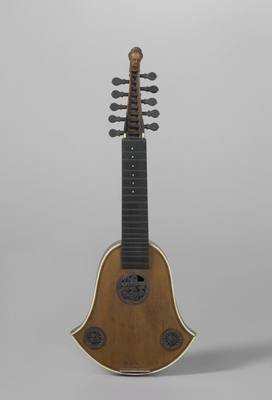
Cittern (Cithrinchen)c. 1690 - c. 1700 · Hamburg (deelstaat) -
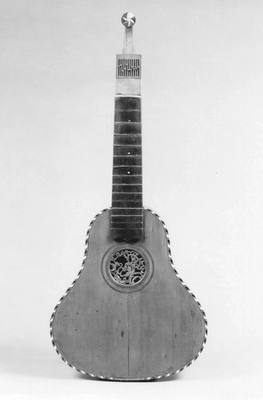
Cittern1772 · French (France) -
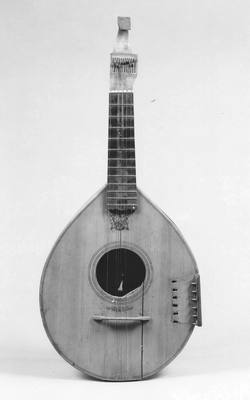
Keyed Cittern (English Guitar)ca. 1785 · British (United Kingdom) -
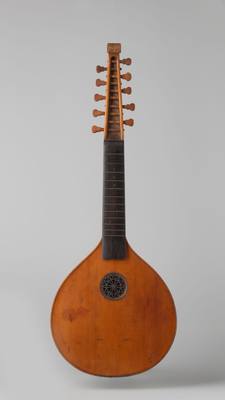
Cittern1768 · The Hague -
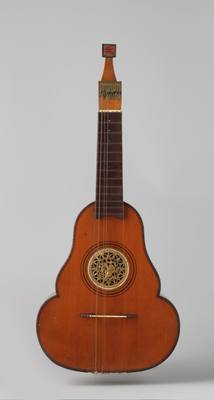
English guitarc. 1770 · London -
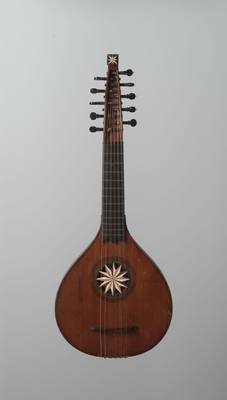
English Guitarc. 1775 · London -
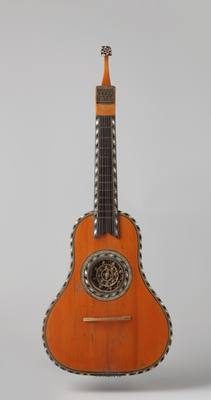
Citternc. 1775 - c. 1800 · France -
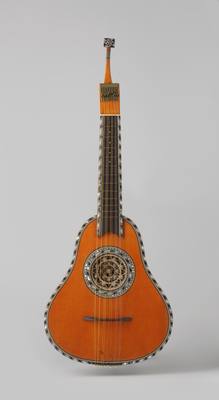
Cistrec. 1780 -
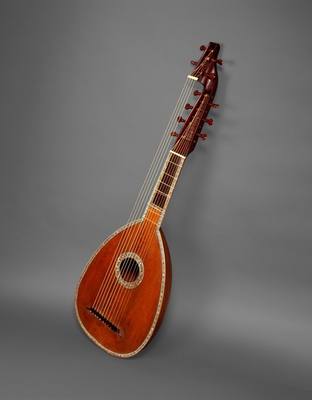
Arch Cittern1782 · French (France) -
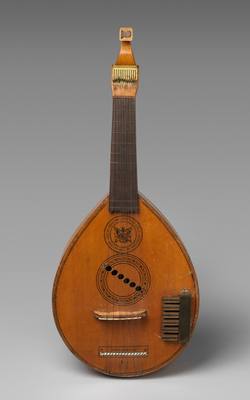
Cittern1783–89 · British (United Kingdom)
Facts at a glance
| Hornbostel–Sachs number | 321.322-5 — necked box lute, plucked with fingers |
|---|---|
| Hornbostel–Sachs group | Chordophones › Composite chordophones › Lutes |
| Also known as | cithren |
| Classification (Wikipedia infobox) | String instrument (plucked) |
| Developed | 16th century |
| Wikidata labels | 35 languages |
| Wikipedia article | Cittern |
| Wikidata item | Q1093290 |
| Wikimedia Commons category | Cittern |
| MusicBrainz instrument | 7b935bb5-798b-43bd-92ad-85511a132e44 |
| Encyclopaedia Britannica | art/cittern |
Sources: Wikidata (CC0 1.0) — classification number, aliases, identifiers (dump of 2026-07-22); Wikipedia (CC BY-SA 4.0) — infobox fields (description of the classification number, development, inventors) and the names of the Hornbostel–Sachs groups (article “Hornbostel–Sachs”, revision of 2026-01-04).
The name in other languages
| Language | Name | Also written |
|---|---|---|
| English | cittern | cithren |
| French | cistre | Cister, Cittern, Zister |
| German | Cister | Zitter, Englische Gitarre, Lutherzither |
| Spanish | cistro | |
| Italian | cetera | cittern, cetra |
| Portuguese | cistre | Cítola |
| Dutch | citter | cister |
| Russian | цистра | |
| Japanese | シターン | |
| Chinese | 西特琴 | 齐特拉琴 |
Sources: Wikidata (CC0 1.0) — labels and aliases; MusicBrainz (CC0 1.0) — instrument aliases (names only).
About the cittern: history, construction and playing
The cittern or cithren (Fr. cistre, It. cetra, Ger. Cister, Sp. cistro, cedra, cítola) is a stringed instrument dating from the Renaissance. Modern scholars debate its exact history, but it is generally accepted that it is descended from the medieval citole (or cytole). Its flat-back design was simpler and cheaper to construct than the lute. It was also easier to play, smaller, less delicate and more portable. Played by people of all social classes, the cittern was a popular instrument of casual music-making much like the guitar is today.
Pre-modern citterns
The cittern is one of the few metal-strung instruments known from the Renaissance music period (others being gut-strung). It generally has four courses of strings (single, pairs or threes depending on design or regional variation), one or more courses being usually tuned in octaves, though instruments with more or fewer courses were made. The cittern may have a range of only an octave between its lowest and highest strings and employs a re-entrant tuning – a tuning in which the string that is physically uppermost is not the lowest, as is also the case with the five-string banjo and most ukuleles for example. The tuning and narrow range allow the player a number of simple chord shapes useful for both simple song accompaniment and dances, though much more complex music was also written for it. Its bright and cheerful timbre make it a valuable counterpoint to gut-strung instruments. The Spanish bandurria, still used today, is a similar instrument.
16th to 18th centuries
HOLOFERNES: What is this?
DUMAIN: The head of a bodkin.
BIRON: A Death's face in a ring.
Just as the lute was enlarged and bass-extended to become the theorbo and chitarrone for continuo work, so the cittern was developed into the ceterone, with its extended neck and unstopped bass strings, though this was a much less common instrument.
Gérard Joseph Deleplanque (1723-1784) was a luthier from Lille who made a wide variety of instruments, including citterns.
The instrument maker Johann Wilhelm Bindernagel (around 1770-1845), who worked in Gotha, made a mixed guitar-cittern under the name "Sister" or "German Guitar", which was equipped with seven gut strings.
The leading 18th-century Swedish songwriter Carl Michael Bellman played mostly on the cittern, and is shown with the instrument (now in the National Museum, Stockholm) in a 1779 portrait by Per Krafft the elder.
Modern citterns
In Germany, the cittern survives under the names Waldzither and Lutherzither. The last name comes from the belief that Martin Luther played this instrument. Also, the names Thüringer Waldzither in Thüringer Wald, Harzzither in the Harz mountains, Halszither in German-speaking Switzerland are used. There is a tendency in modern German to interchange the words for cittern and zither. The term waldzither came into use around 1900, to distinguish citterns from zithers.
The cittern family survives as the Corsican cetara and the Portuguese guitar. The guitarra portuguesa is typically used to play the popular traditional music known as fado. In the early 1970s, using the guitarra and a 1930s archtop Martin guitar as models, English luthier Stefan Sobell created a "cittern", a hybrid instrument primarily used for playing folk music, which has proved to be popular with folk revival musicians.
Source: Wikipedia, “Cittern” — CC BY-SA 4.0 — text excerpted as published (references, images and tables removed); see the article for the full text and the list of authors. Revision of 2025-07-26.
Sources and licences
- Cittern, Simpson, ca. 1780–95, British (United Kingdom). Wood, various materials. Gift of Joseph W. Drexel, 1889 (89.2.167). Museum record · CC0 1.0 (public domain dedication)
- Cittern, Joachim Tielke, ca. 1685, Germany. Cypress, ivory, ebony, parchment, brass. Purchase, The Vincent Astor Foundation Gift and Rogers Fund, 1985 (1985.124). Museum record · CC0 1.0 (public domain dedication)
- Cittern (Cithrinchen), c. 1690 - c. 1700, Hamburg (deelstaat). wood (plant material). Purchased with the support of the State of the Netherlands and the Vereeniging van Noord-Nederlandsche Muziekgeschiedenis. Museum record · Public Domain Mark 1.0
- Cittern, Gerard J. Deleplanque, 1772, French (France). Maple, spruce, ebony, ivory, mother-of-pearl, brass. Gift of Helen C. Lanier, 1982 (1982.241.2). Museum record · CC0 1.0 (public domain dedication)
- Keyed Cittern (English Guitar), Christian Claus, ca. 1785, British (United Kingdom). Various woods, bone, ivory, brass. Gift of Helen C. Lanier, 1982 (1982.241.3). Museum record · CC0 1.0 (public domain dedication)
- Cittern, Johannes Theodorus Cuypers, 1768, The Hague. wood (plant material). Purchased with the support of the State of the Netherlands and the Vereeniging van Noord-Nederlandsche Muziekgeschiedenis. Museum record · Public Domain Mark 1.0
- English guitar, c. 1770, London. wood (plant material). Purchased with the support of the State of the Netherlands and the Vereeniging van Noord-Nederlandsche Muziekgeschiedenis. Museum record · Public Domain Mark 1.0
- English Guitar, c. 1775, London. wood (plant material), ivory. Gift of Elly Lammers and Gerrit van der Veer, Lelystad. Museum record · Public Domain Mark 1.0
- Cittern, Anonymous, c. 1775 - c. 1800, France. wood (plant material), mother of pearl. Rijksmuseum, Amsterdam. Museum record · Public Domain Mark 1.0
- Cistre, c. 1780. paper, metal, ivory, softwood, mother of pearl, maple (wood), ebony (wood). Rijksmuseum, Amsterdam. Museum record · Public Domain Mark 1.0
- Arch Cittern, Jean Francois Tiphanon, 1782, French (France). Wood, ivory. Gift of Helen C. Lanier, 1982 (1982.241.1). Museum record · CC0 1.0 (public domain dedication)
- Cittern, Christian Claus, 1783–89, British (United Kingdom). Wood and various materials. The Crosby Brown Collection of Musical Instruments, 1889 (89.4.1013). Museum record · CC0 1.0 (public domain dedication)
Photographs: open-access collections of the museums named above; each is shown here reduced in size, otherwise unchanged. Text: Wikipedia (CC BY-SA 4.0), Wikidata and MusicBrainz (CC0). The full list of sources and licences is on the credits page.