
Browse
Musical instruments
78 musical instruments with museum photographs, history and construction from Wikipedia, names in other languages and their Hornbostel–Sachs class.
How instruments are grouped
Hornbostel–Sachs or Sachs–Hornbostel is a system of musical instrument classification devised by Erich Moritz von Hornbostel and Curt Sachs. This system was first published in the Zeitschrift für Ethnologie in 1914. An English translation was published in the Galpin Society Journal in 1961, which is the most widely used system for classifying musical instruments by ethnomusicologists and organologists (people who study musical instruments). The system was updated in 2011 as part of the work of the Musical Instrument Museums Online (MIMO) Project.
Hornbostel and Sachs based their ideas on a system devised in the late 19th century by Victor-Charles Mahillon, the curator of musical instruments at Brussels Conservatory. Mahillon divided instruments into four broad categories according to the nature of the sound-producing material: an air column; string; membrane; and body of the instrument. From this basis, Hornbostel and Sachs expanded Mahillon's system to make it possible to classify any instrument from any culture.
Formally, the Hornbostel–Sachs is modeled on the Dewey Decimal Classification for libraries. It has five top-level classifications, with several levels below those, adding up to over 300 basic categories in total.
Source: Wikipedia, “Hornbostel–Sachs” — CC BY-SA 4.0 — text excerpted as published; authors. Revision of 2026-01-04. The four groups below follow its top-level classes.
Aerophones wind instruments
Aerophones primarily produce their sounds by means of vibrating air. The instrument itself does not vibrate, and there are no vibrating strings or membranes.
Excerpt from Wikipedia, “Hornbostel–Sachs” (CC BY-SA 4.0), the section on aerophones.
-
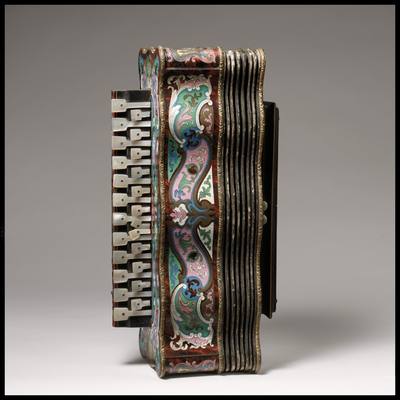
Accordion
An accordion is a musical instrument that has keys similar to a piano, but is small enough for a person to hold.
4 photographs · 1800–1890 · H–S 412.132 -
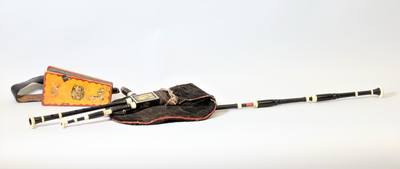
Bagpipes
The bagpipes are a musical instrument.
8 photographs · 1633–1900 · H–S 422.112+422.22-62 -
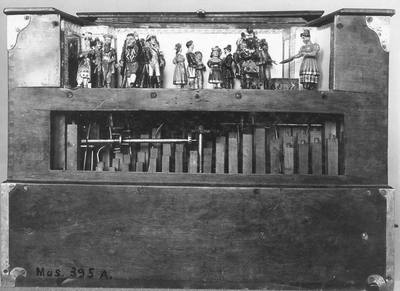
Barrel organ
A barrel organ plays music by using turning a barrel, with notes decided by an arrangement of pins.
4 photographs · 1790–1840 · H–S 421.222.11-9 -
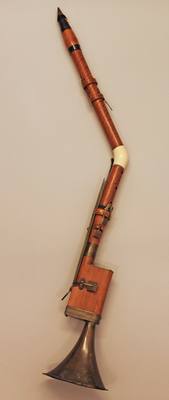
Basset horn
The basset horn (sometimes hyphenated as basset-horn) is a member of the clarinet family of musical instruments.
6 photographs · 1770–1870 · H–S 422.211.2 -
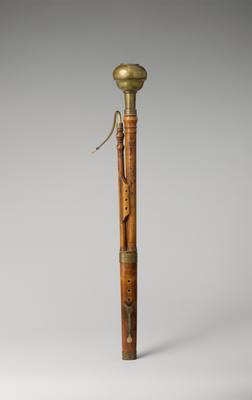
Bassoon
The bassoon is the lowest of the four main instruments of the woodwind family.
12 photographs · 1750–1881 · H–S 422.112-71 -
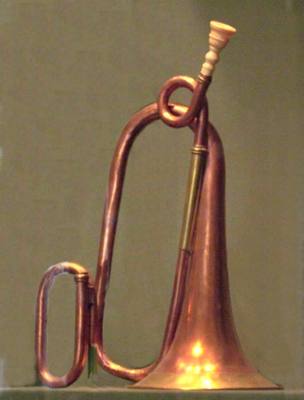
Bugle
The bugle is a very simple brass instrument.
8 photographs · 1800–1970 · H–S 423.121.22 -
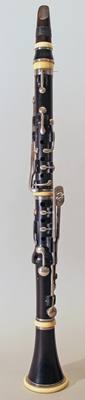
Clarinet
The clarinet is a single-reed musical instrument in the woodwind family, with a nearly cylindrical bore and a flared bell.
12 photographs · 18–1905 · H–S 422.211.2-71 -
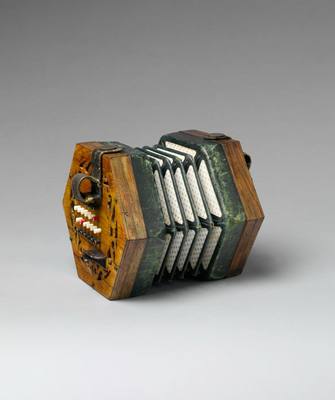
Concertina
A concertina is a musical instrument that makes sounds using air pushed and pulled through reeds using a bellows.
4 photographs · 1831–1864 · H–S 412.132 -
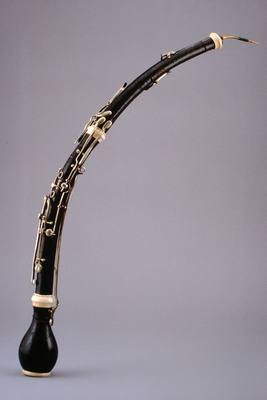
Cor anglais
The cor anglais, or English horn, is a double reed instrument in the woodwind family.
11 photographs · 1780–1900 · H–S 422.112-71 -
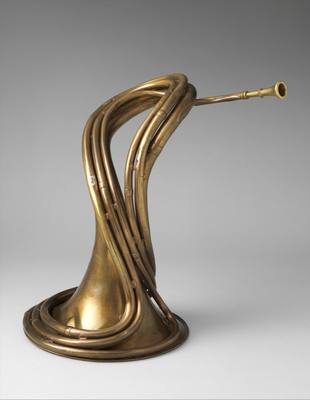
Cornet
A cornet is a brass instrument that is similar to the trumpet.
9 photographs · 1833–1977 · H–S 423.232 -
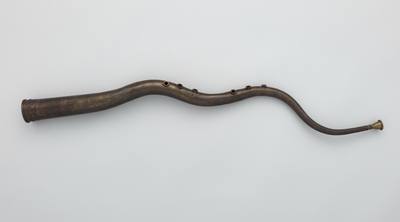
Cornett
The cornett is a brass instrument from the Medieval, Renaissance, and Baroque times.
5 photographs · 1560–1900 · H–S 423.21 -
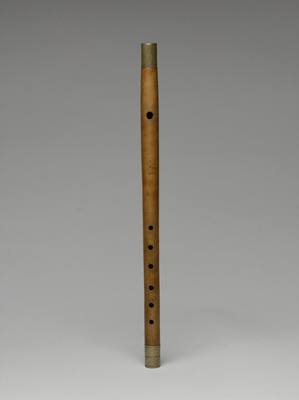
Fife
A fife is a small, high-pitched, transverse aerophone, that is similar to the piccolo.
8 photographs · 1780–1979 · H–S 421.121.12 -
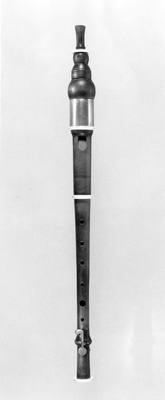
Flageolet
A flageolet is an old woodwind instrument.
9 photographs · 1700–1870 · H–S 421.221.12 -
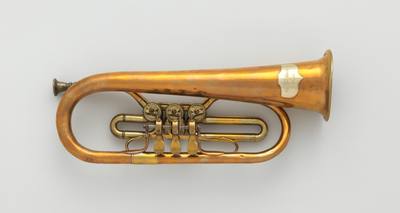
Flugelhorn
A Flügelhorn is a musical instrument, a part of the brass family.
3 photographs · 865–1865 · H–S 423.232 -
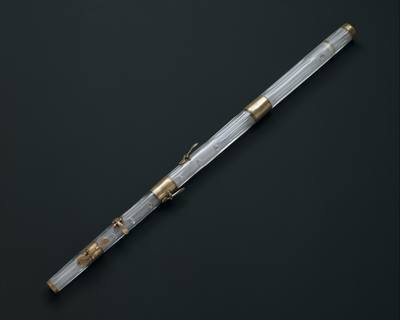
Flute
The flute is a musical instrument.
12 photographs · 200 BCE–1910 · H–S 421 -
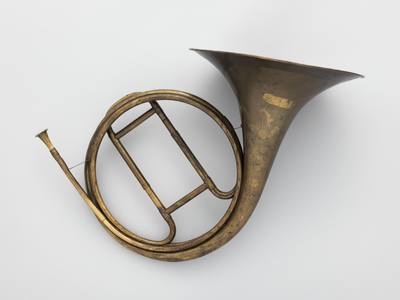
French horn
The horn is a brass instrument in the horn family, made of tubing wrapped into a coil with a large flared bell and rotary valves.
12 photographs · 1660–1919 · H–S 423.232 -
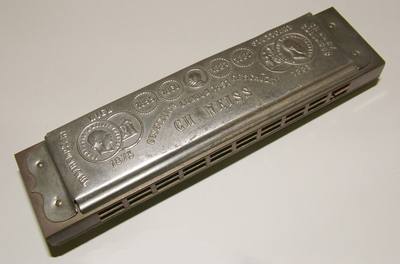
Harmonica
A harmonica is small musical instrument that is played with the mouth by blowing into holes in its side.
7 photographs · 1860–1980 · H–S 412.132 -
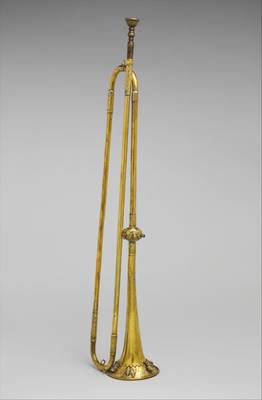
Natural trumpet
A natural trumpet is a valveless brass instrument that is able to play the notes of the harmonic series.
9 photographs · 1675–1889 · H–S 423.1 -
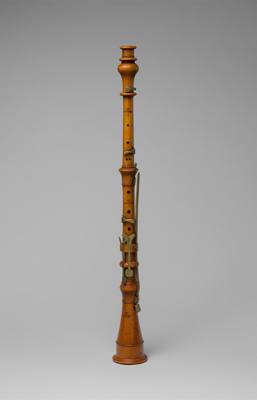
Oboe
An oboe is a woodwind instrument with a double reed.
12 photographs · 1692–1850 · H–S 422.112-71 -
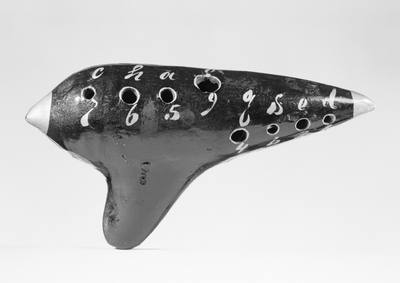
Ocarina
An ocarina is a kind of flute that is not made out of a tube.
8 photographs · 600–1910 · H–S 421.221.422 -
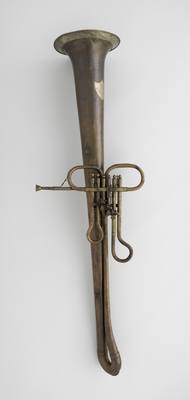
Ophicleide
The ophicleide is a family of conical-bore keyed brass instruments invented in early 19th-century France to extend the keyed bugle into the lower range.
8 photographs · 1820–1875 · H–S 423.21 -
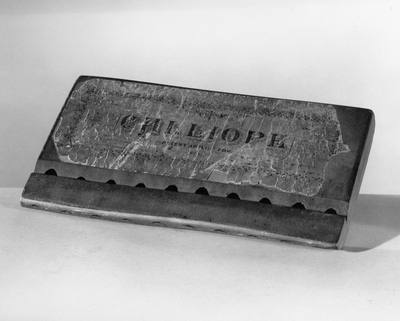
Pan flute
The pan flute or pan pipe (also known as panflute or panpipes) is an old musical instrument that has five or more pipes of gradually increasing length (at times, girth).
4 photographs · 1801–1900 · H–S 421.112 -
Piccolo
The piccolo is a small flute that plays one octave higher than the normal flute.
6 photographs · 1700–1830 · H–S 421.121.12-71 -
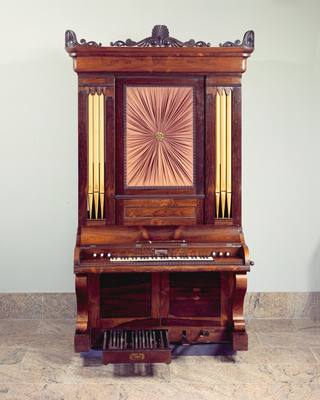
Pipe organ
The pipe organ is a keyboard instrument in which the sound is made by air blowing through pipes.
10 photographs · 1526–1900 · H–S 421.222.11+421.222.3+412.1 -
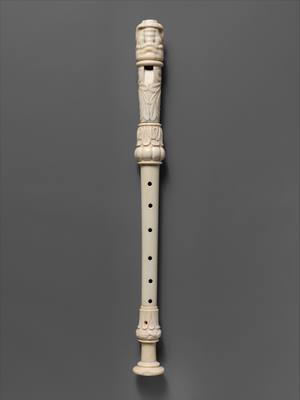
Recorder
The recorder is a musical instrument that is a type of flute.
12 photographs · 1595–1900 · H–S 421.221.12 -
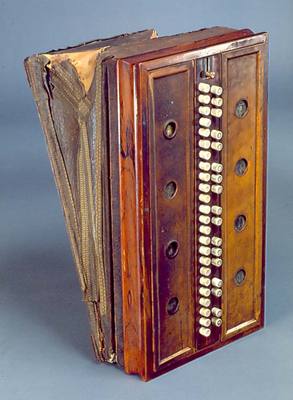
Reed organ
The pump organ or reed organ is a type of organ that uses free reeds to generate sound, with air passing over vibrating thin metal strips mounted in a frame.
7 photographs · 1801–1900 · H–S 412.132 -
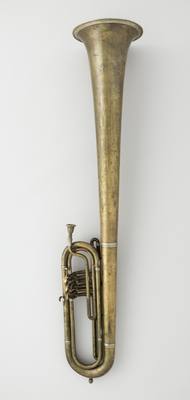
Saxhorn
The saxhorn is a family of valved brass instruments that have conical bores and deep cup-shaped mouthpieces.
7 photographs · 1850–1900 · H–S 423.232.2 -
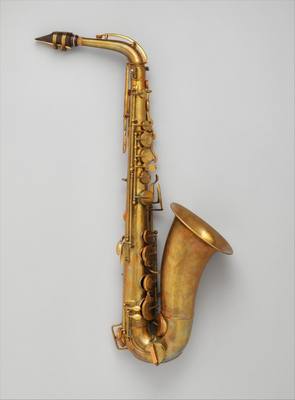
Saxophone
A saxophone (often called the sax) is a type of single-reed woodwind instrument.
3 photographs · 1845–1947 · H–S 422.212-71 -
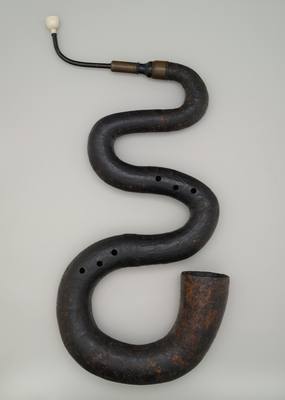
Serpent
The serpent is a low-pitched early wind instrument in the lip-reed family, developed in the Renaissance era.
9 photographs · 1600–1850 · H–S 423.213 -
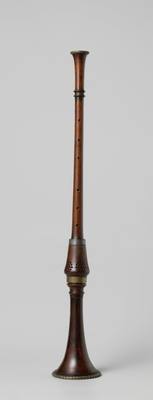
Shawm
The shawm was a musical instrument of the woodwind family that was played in Europe during the Middle Ages and the Renaissance.
7 photographs · 1680–1900 · H–S 422.112 -
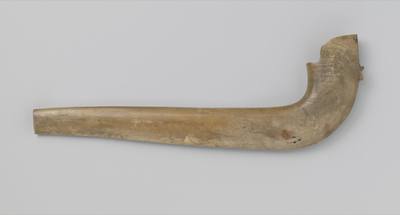
Shofar
A shofar is an ancient musical horn, typically a ram's horn, used for Jewish ritual purposes.
8 photographs · 1600–1946 · H–S 423.121.2 -
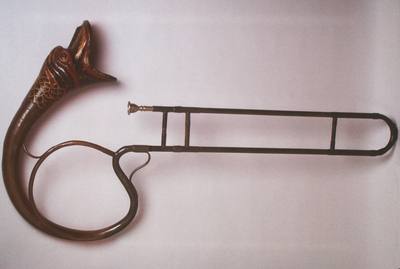
Trombone
The trombone is a brass horn musical instrument.
11 photographs · 1593–1960 · H–S 423.22 -
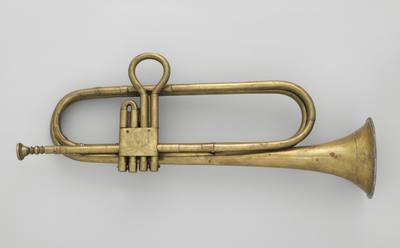
Trumpet
A trumpet is a brass instrument used mainly in Classical music and jazz music.
12 photographs · 1695–1920 · H–S 423.233 -
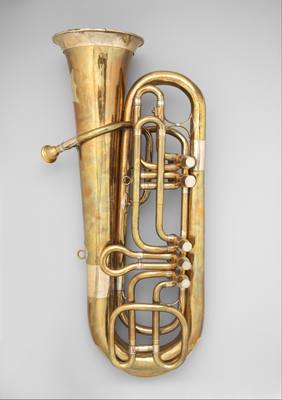
Tuba
The tuba is the biggest of all the brass, string, musical instruments.
3 photographs · 1825–1875 · H–S 423.232 -
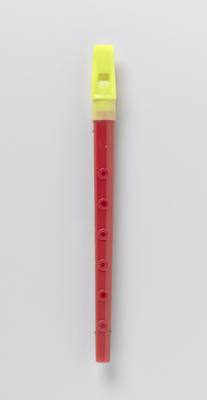
Whistle
A whistle is a thing that uses a stream of gas (usually air) to make a sound, or the act of making a similar sound called whistling.
12 photographs · 300 BCE–1969 · H–S 421.221.11 -
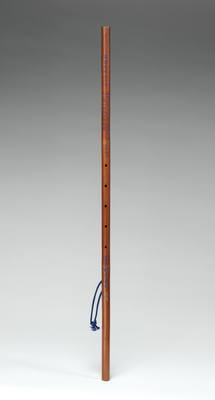
Xiao
The xiao (Chinese: 簫; pinyin: xiāo, pronounced) is a Chinese vertical end-blown flute.
4 photographs · 1700–1900 · H–S 421.221.12
Chordophones string instruments
Chordophones primarily produce their sounds by means of the vibration of a string or strings that are stretched between fixed points. This group includes all instruments generally called string instruments in the west, as well as many (but not all) keyboard instruments, such as pianos and harpsichords.
Excerpt from Wikipedia, “Hornbostel–Sachs” (CC BY-SA 4.0), the section on chordophones.
-
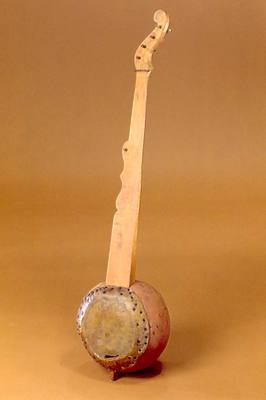
Banjo
The banjo is a string instrument, that was first played by African slaves in the United States a few hundred years ago.
10 photographs · 1801–1909 · H–S 321.322-8 -
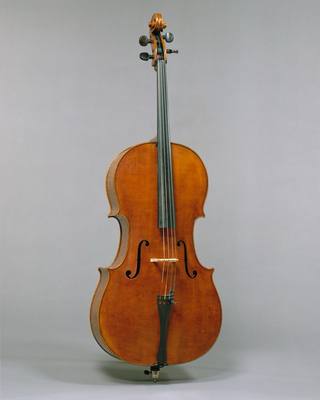
Cello
The cello is an instrument used to play music.
8 photographs · 1677–1893 · H–S 321.322-71 -
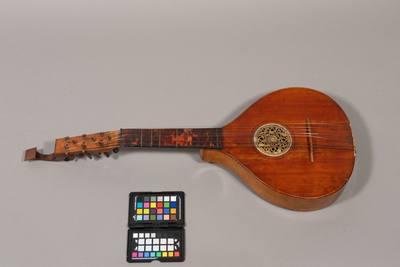
Cittern
The cittern or cithren (Fr. cistre, It. cetra, Ger. Cister, Sp. cistro, cedra, cítola) is a stringed instrument dating from the Renaissance.
12 photographs · 1680–1805 · H–S 321.322-5 -
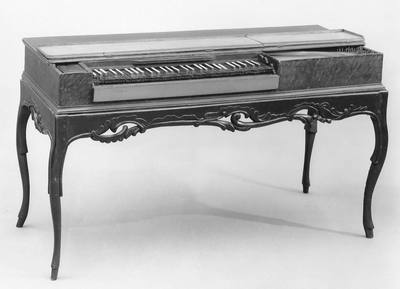
Clavichord
A clavichord is a musical instrument like a small keyboard.
4 photographs · 1650–1799 · H–S 314.122-4-8 -
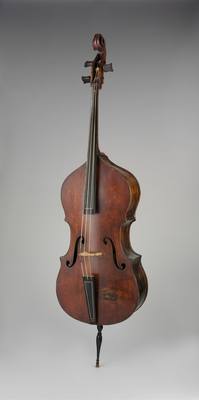
Double bass
The double bass is a big stringed instrument.
3 photographs · 1700–1799 · H–S 321.322-71 -
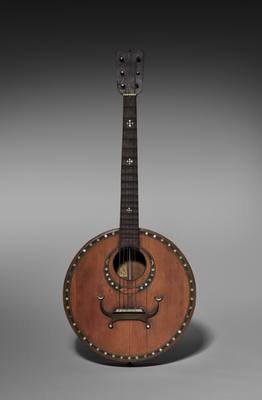
Guitar
The guitar is a string instrument which is played by plucking the strings.
12 photographs · 1695–1995 · H–S 321.322-5-6 -
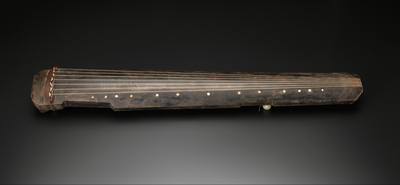
Guqin
The guqin literally "ancient stringed-instrument" is the modern name for a plucked seven-string Chinese musical instrument of the zither family.
5 photographs · 1584–1900 · H–S 312.22 -
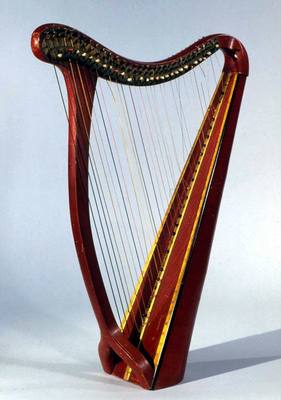
Harp
The harp is a musical instrument.
12 photographs · 1500–1950 · H–S 322 -
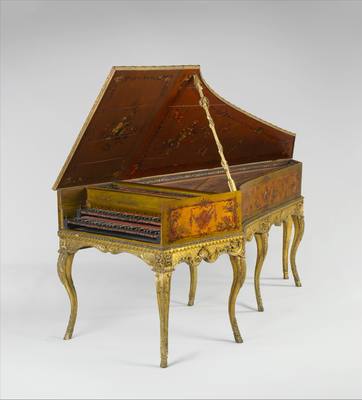
Harpsichord
Harpsichords are keyboard instruments that make sound by having the strings plucked with a plectrum.
11 photographs · 1640–1781 · H–S 314.122-6-8 -
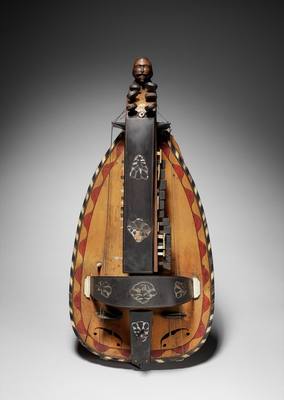
Hurdy-gurdy
The hurdy-gurdy is a string instrument that produces sound by means of a hand-cranked rosined wheel that rubs against the strings.
6 photographs · 1700–1899 · H–S 321.321-72 -
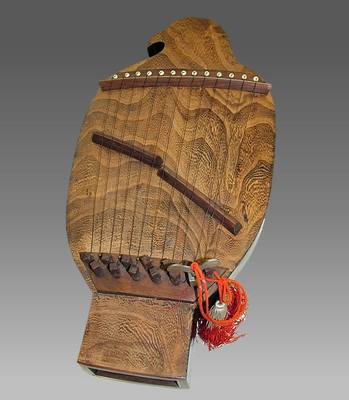
Koto
The koto is a Japanese plucked half-tube zither instrument, and the national instrument of Japan.
6 photographs · 1600–1900 · H–S 312.22-6 -
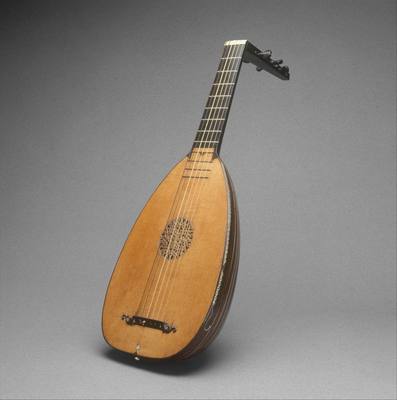
Lute
The lute is a kind of musical instrument with strings.
12 photographs · 19–1900 · H–S 321.321-5 -
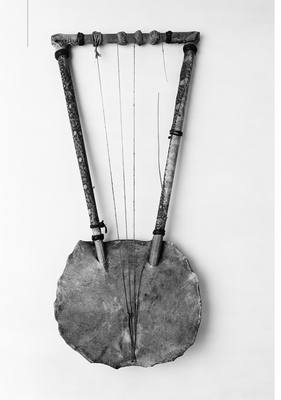
Lyre
A lyre (pronounced to rhyme with "fire") is a musical instrument which is like a mixture between a harp and a guitar.
7 photographs · 1801–1928 · H–S 321.21-5 -
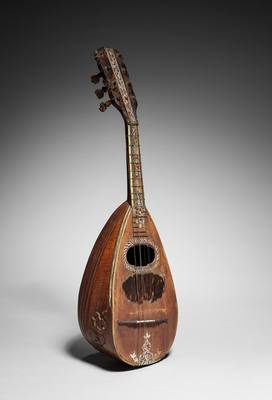
Mandolin
The mandolin is a musical instrument, which literally means little Irish Mandula, a member of the lute family.
11 photographs · 18–1910 · H–S 321.321-6 -
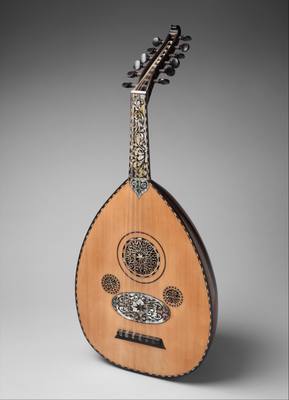
Oud
The oud is a pear-shaped, stringed instrument.
3 photographs · 1850–1918 · H–S 321.321-6 -
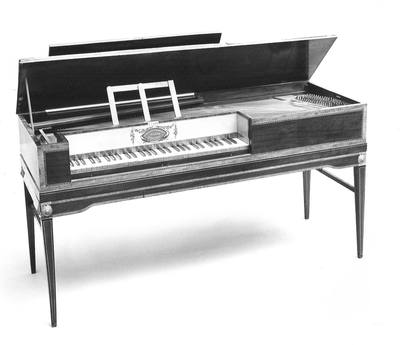
Piano
The piano is an acoustic, keyboard and stringed musical instrument in which the strings are struck by wooden hammers that are coated with a softer material (modern hammers are covered with dense wool felt; some early pianos used leather).
12 photographs · 1720–1939 · H–S 314.122-4-8 -
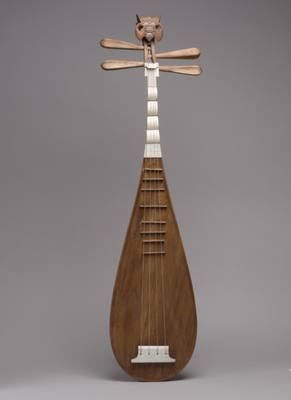
Pipa
The pipa (Chinese: 琵琶; pinyin: pípá) is a four-stringed Chinese musical instrument, belonging to the plucked category of instruments (弹拨乐器/彈撥樂器).
4 photographs · 1590–1900 · H–S 321.321-5 -
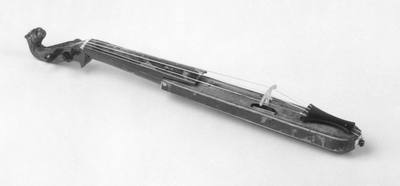
Pochette
The pochette is a small stringed instrument of the bowed variety.
8 photographs · 1600–1813 · H–S 321.322-71 -
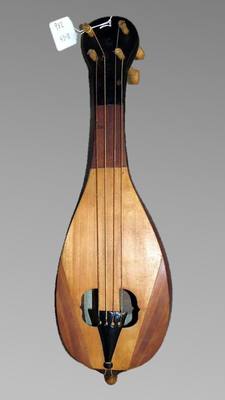
Rebec
The rebec is a bowed string musical instrument that was played many hundreds of years ago.
3 photographs · 1701–1900 · H–S 321.321-71 -
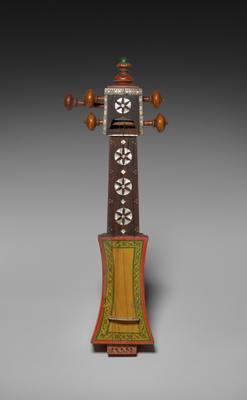
Sarangi
The sarangi is musical instrument.
5 photographs · 1750–1916 · H–S 321.322-71 -
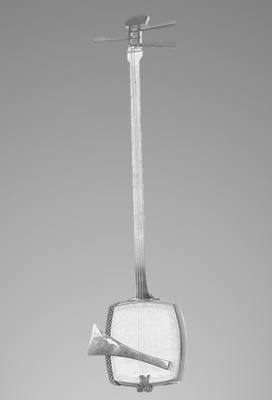
Shamisen
The shamisen or samisen (Japanese: 三味線, literally "three taste strings"), also called sangen (literally "three strings") is a Japanese musical instrument with three strings, that is played with a big plectrum called a bachi.
3 photographs · 1800–1899 · H–S 321.312-6 -
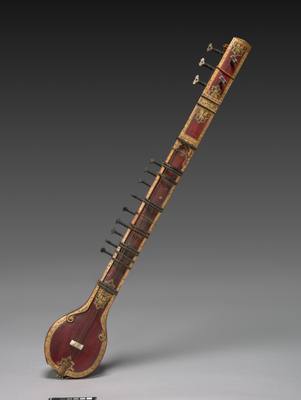
Sitar
The sitar (Punjabi: ਸਿਤਾਰ, Urdu: sitāra) is a plucked string instrument.
6 photographs · 1701–1920 · H–S 321.321-6 -
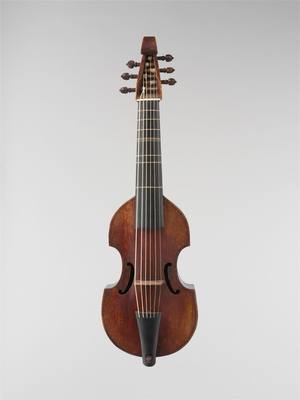
Viol
The viol (rhymes with "mile") is a string instrument that is played with a bow.
11 photographs · 1660–1830 · H–S 321.322-71 -
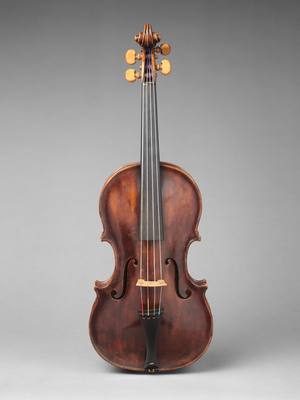
Viola
A viola is a high pitched instrument that is similar to the violin and cello.
11 photographs · 1655–1938 · H–S 321.322-71 -
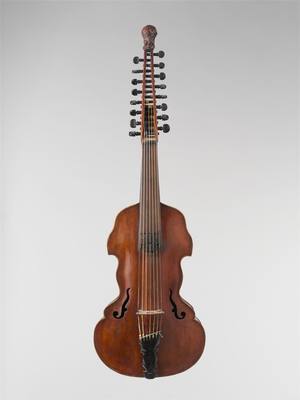
Viola d'amore
The viola d'amore is a string instrument which was popular in the 17th and 18th century.
7 photographs · 1700–1910 · H–S 321.322-71 -
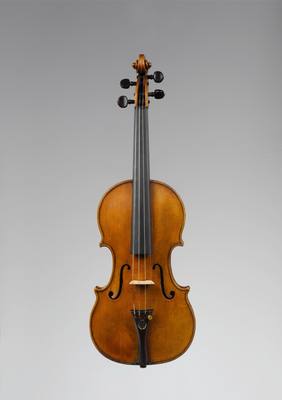
Violin
The violin is a string instrument which has four strings and is played with a bow.
12 photographs · 1610–1902 · H–S 321.322-71 -
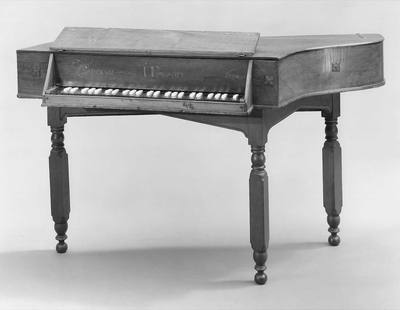
Virginals
The virginals is a keyboard instrument of the harpsichord family.
7 photographs · 1550–1720 · H–S 314.122-6-8 -
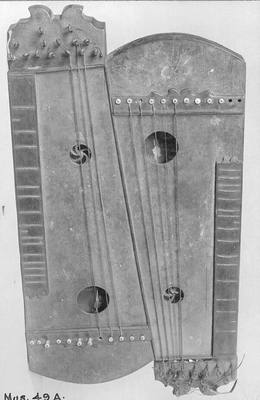
Zither
A zither is a stringed musical instrument.
8 photographs · 1701–1925 · H–S 314.122-4
Idiophones bells, gongs, rattles and other self-sounding bodies
Idiophones primarily produce their sounds by means of the actual body of the instrument vibrating, rather than a string, membrane, or column of air. In essence, this group includes all percussion instruments apart from drums, and some other instruments. In the Hornbostel–Sachs classification, idiophones are first categorized according to the method used to play the instrument. The result is four main categories: struck idiophones (11), plucked idiophones (12), friction idiophones (13) and blown idiophones (14). These groups are subsequently divided through various criteria. In many cases these sub-categories are split in singular specimens and sets of instruments. The class of idiophones includes the xylophone, the marimba, the glockenspiel, and the glass harmonica.
Excerpt from Wikipedia, “Hornbostel–Sachs” (CC BY-SA 4.0), the section on idiophones.
-
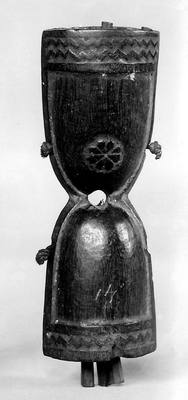
Bell
A bell is a simple musical instrument.
12 photographs · 482 BCE–1968 · H–S 111.242 -
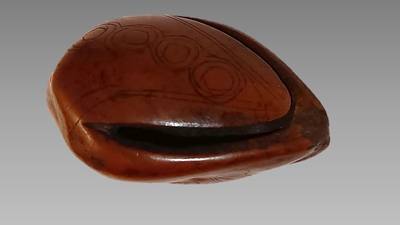
Castanets
Castanets, also known as clackers or palillos, are a percussion instrument (idiophonic), used in Spanish, Calé, Moorish, Ottoman, Greek, Italian, Mexican, Sephardic, Portuguese, Filipino, Brazilian, and Swiss music.
6 photographs · 1800–1968 · H–S 111.141 -
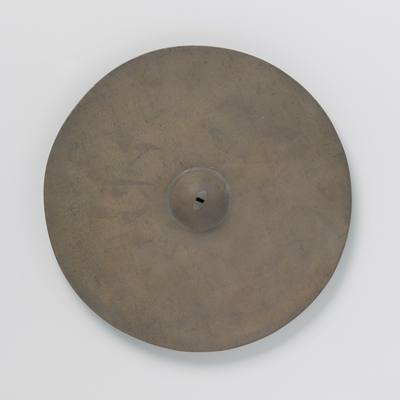
Cymbal
The cymbals are common percussion instruments.
5 photographs · 1801–1900 · H–S 111.142 -
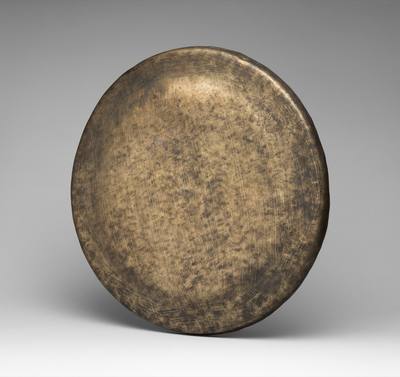
Gong
A gong is an East and Southeast Asian musical percussion instrument.
7 photographs · 1801–1900 · H–S 111.241 -
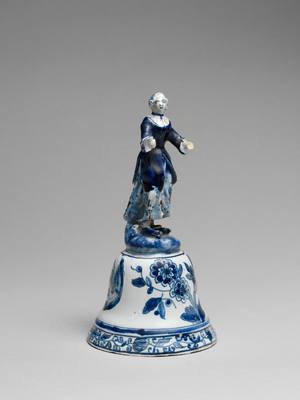
Handbell
A handbell is a bell designed to be rung by hand.
12 photographs · 800–1900 · H–S 111.242.222 -
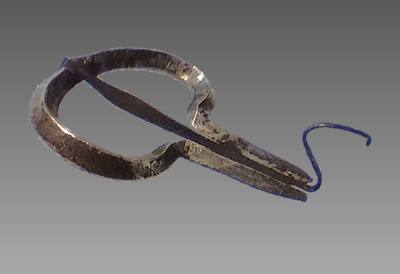
Jew's harp
The Jew's harp (also known as jaw harp or mouth harp) is a small musical instrument.
6 photographs · 1600–1968 · H–S 121.2 -
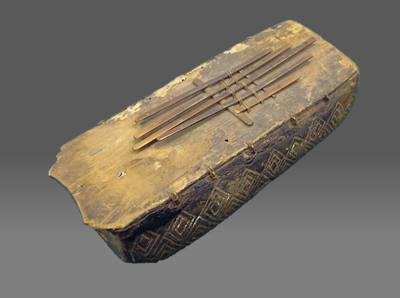
Mbira
Mbira, also known as kalimba and zanza (or variant spellings), are a family of musical instruments, traditional to the Shona people of Zimbabwe.
11 photographs · 1850–1918 · H–S 122.1 -
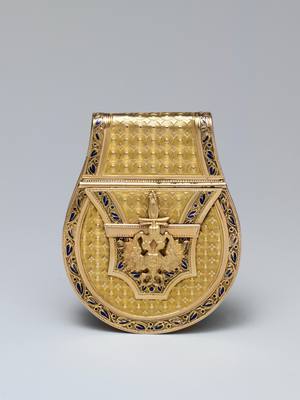
Music box
A music box (American English) or musical box (British English) is an automatic musical instrument in a box that produces musical notes by using a set of pins placed on a revolving cylinder or disc to pluck the tuned teeth (or lamellae) of a steel comb.
7 photographs · 1780–1879 · H–S 112.1 -
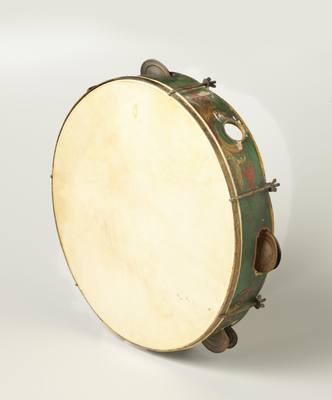
Tambourine
The tambourine is a common percussion instrument.
6 photographs · 1800–1900 · H–S 112.1 -
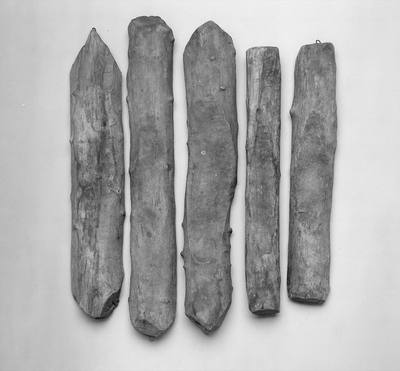
Xylophone
A xylophone is a musical instrument that is part of the percussion family.
4 photographs · 1801–1900 · H–S 111.212
Membranophones drums and other skin-headed instruments
Membranophones primarily produce their sounds by means of the vibration of a tightly stretched membrane. This group includes all drums and kazoos.
Excerpt from Wikipedia, “Hornbostel–Sachs” (CC BY-SA 4.0), the section on membranophones.
-
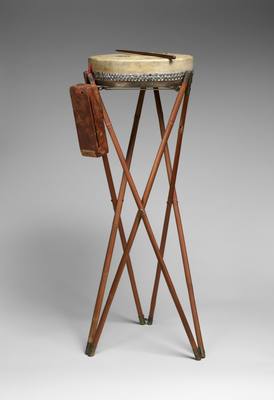
Drum
A drum is a musical instrument.
12 photographs · 300 BCE–2005 · H–S 21 -
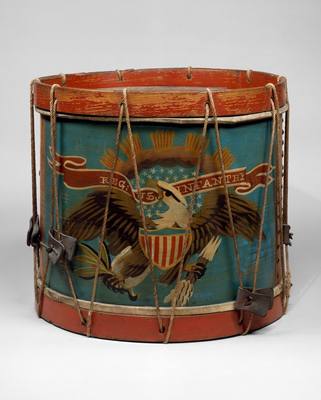
Snare drum
The snare drum or side drum is a percussion instrument.
8 photographs · 1694–1900 · H–S 211.212.11 -
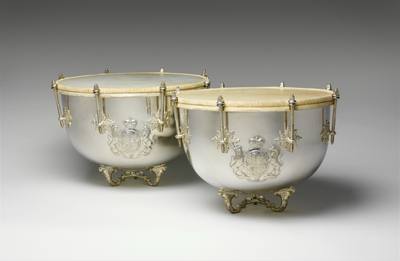
Timpani
The timpani or kettledrums (also informally called timps) are musical instruments in the percussion family.
4 photographs · 1700–1899 · H–S 211.11-922
Electrophones electric and electronic instruments
The fifth top-level group, the electrophones category, was added by Sachs in 1940, to describe instruments involving electricity. Sachs broke down his 5th category into 3 subcategories: 51=electrically actuated acoustic instruments; 52=electrically amplified acoustic instruments; 53= instruments which make sound primarily by way of electrically driven oscillators, such as theremins or synthesizers, which he called radioelectric instruments. Francis William Galpin provided such a group in his own classification system, which is closer to Mahillon than Sachs–Hornbostel. For example, in Galpin's 1937 book A Textbook of European Musical Instruments, he lists electrophones with three second-level divisions for sound generation ("by oscillation", "electro-magnetic", and "electro-static"), as well as third-level and fourth-level categories based on the control method. Sachs himself proposed subcategories 51, 52, and 53, on pages 447–467 of his 1940 book The History of Musical Instruments.
Excerpt from Wikipedia, “Hornbostel–Sachs” (CC BY-SA 4.0), the section on electrophones.
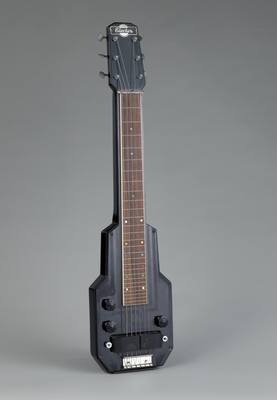
78 instruments, 608 museum photographs. An instrument gets a page only when it has at least three distinct photographs in the open-access collections of the Metropolitan Museum of Art, the Cleveland Museum of Art, the Rijksmuseum, the Smithsonian or Europeana, and an English Wikipedia article long enough to quote. Sources and licences are on the credits page.