
Instruments · Aerophones
Whistle
A whistle is a thing that uses a stream of gas (usually air) to make a sound, or the act of making a similar sound called whistling.
Summary: Simple English Wikipedia, “Whistle” — CC BY-SA 4.0. Revision of 2018-03-21.
Museum photographs
These 12 photographs span 300 BCE–1969, 10 places of origin and 5 museums. 1 of them carry no date in the museum record. Every photograph is public domain or openly licensed, and links to the museum’s own record.
-
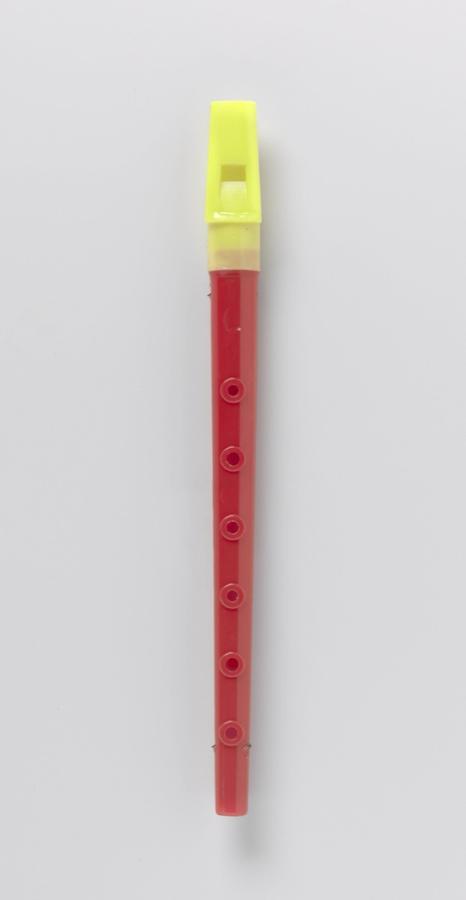
Penny whistlec. 1969 · Netherlands -
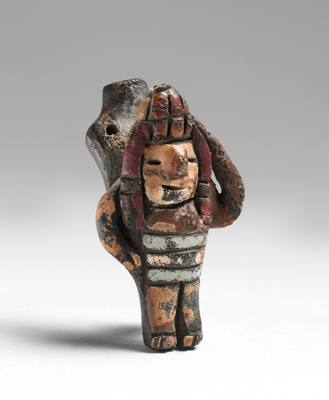
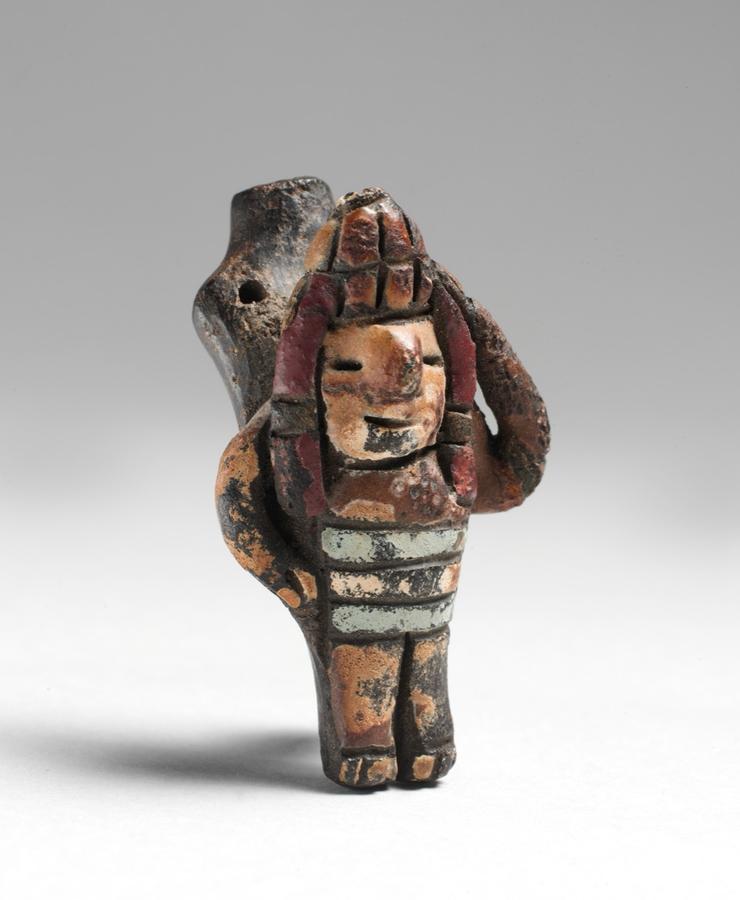
Whistle300–200 BCE · Paracas (Peru) -
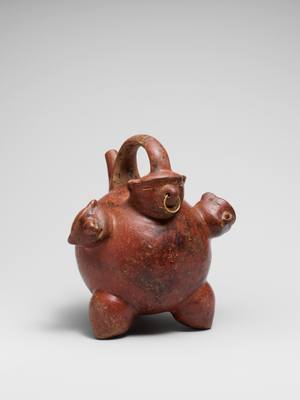
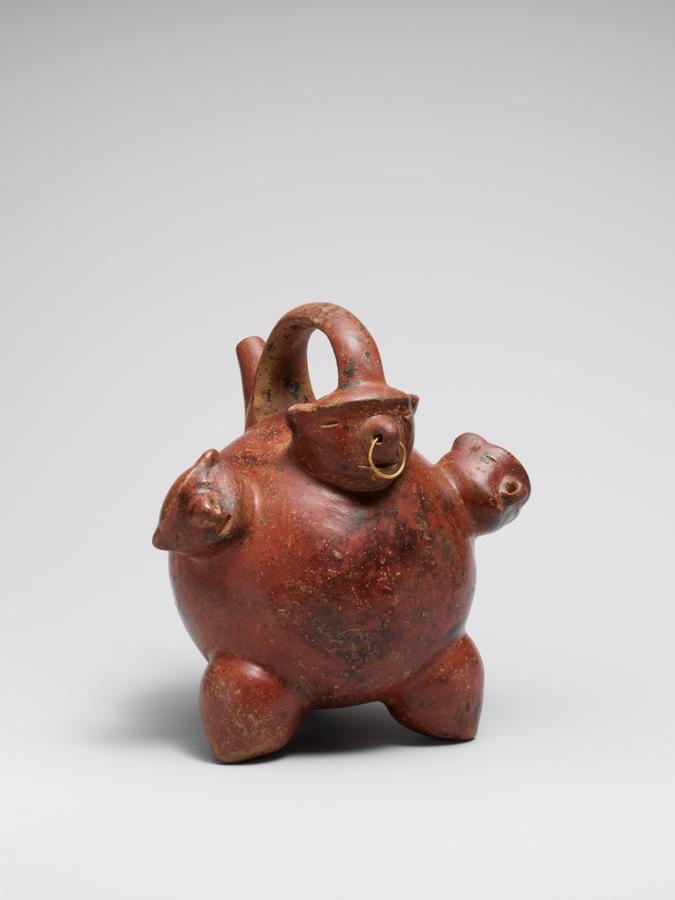
Whistle Jar100–900 CE · Calima (Colombia) -
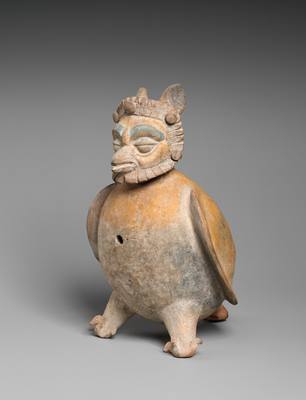
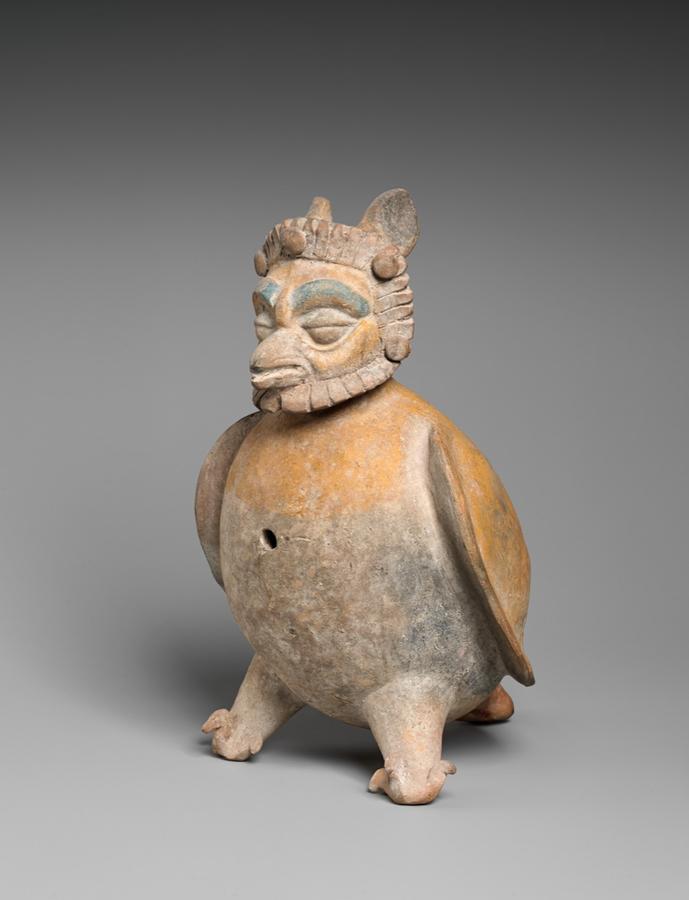
Double Whistle7th–9th century · Mayan (Mexico) -
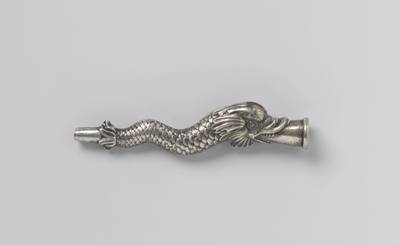
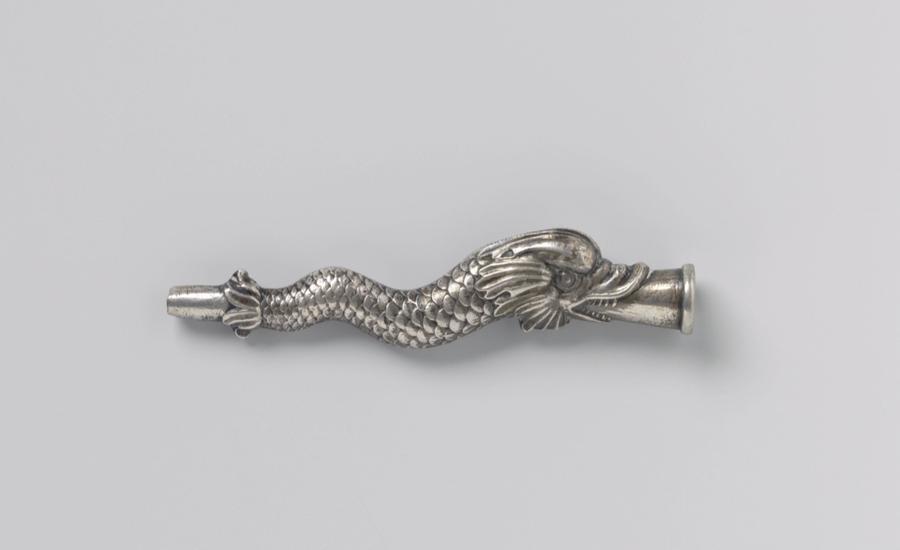
Whistlec. 1780 - c. 1800 · Netherlands -
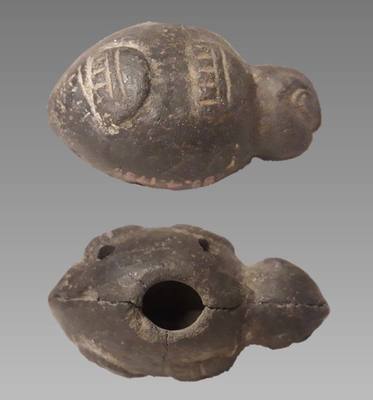
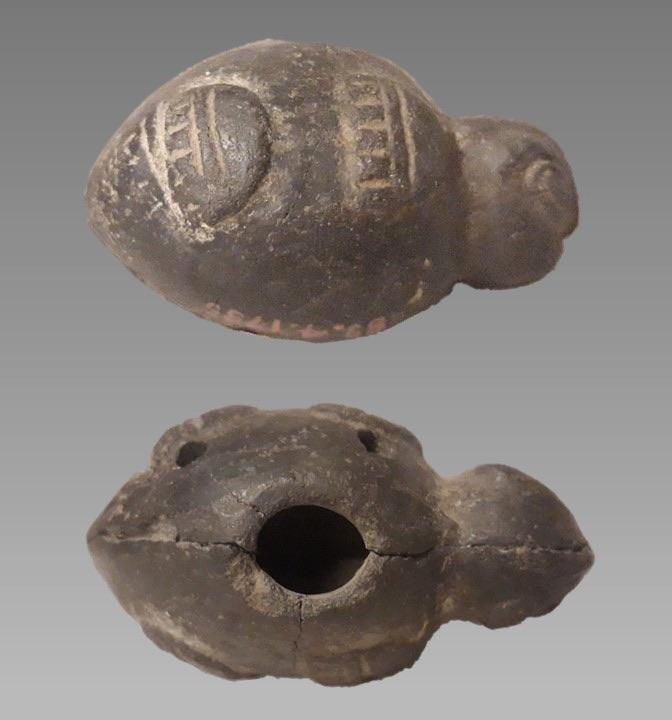
Bird Shaped Whistle19th century · Native American: (Baja Peninsula), Probably Tipai-Ipai (United States or Mexico: N.A.) -
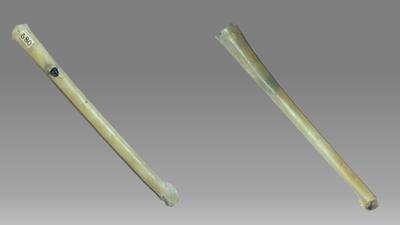
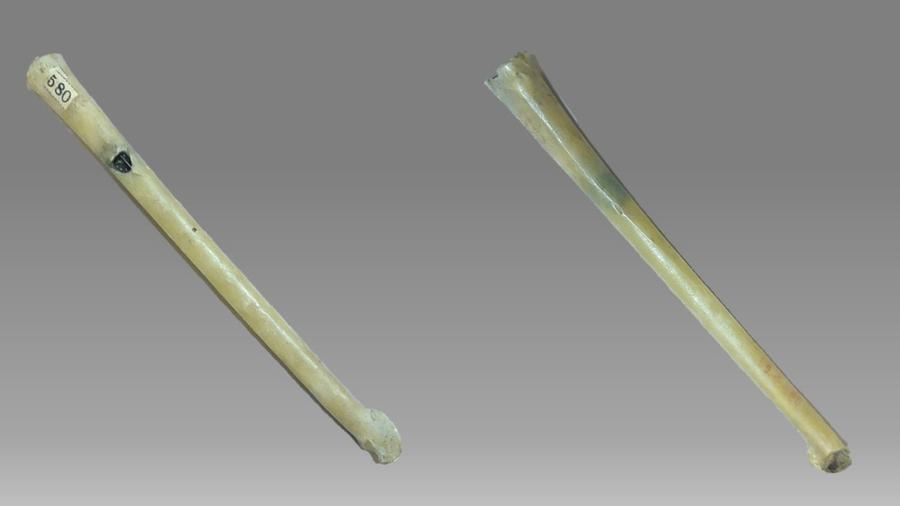
Whistle19th century · Native American (Sioux, Oglala) (United States) -
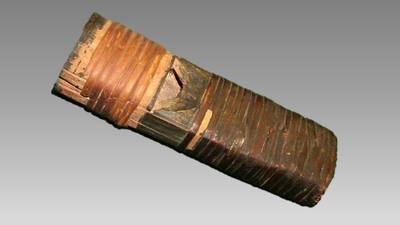
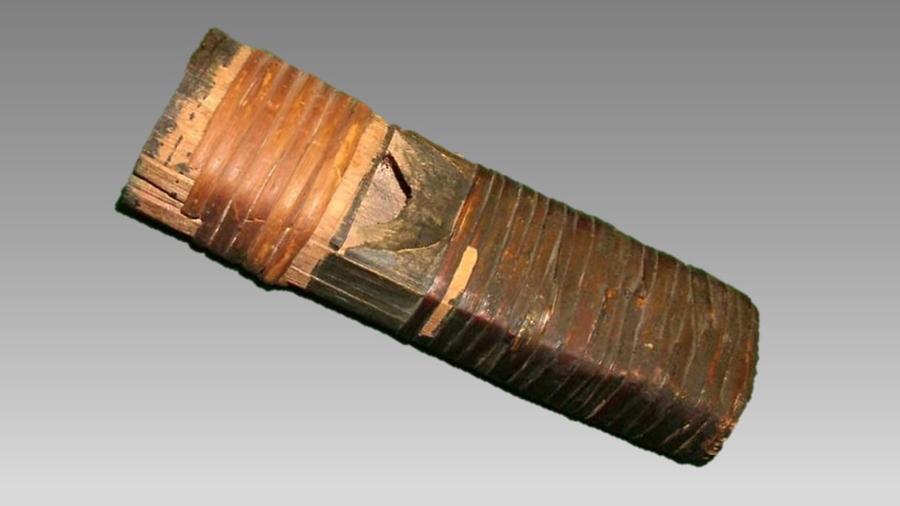
Double Stopped Whistlelate 19th century · Native American (Northwest Coast) (Canada) -
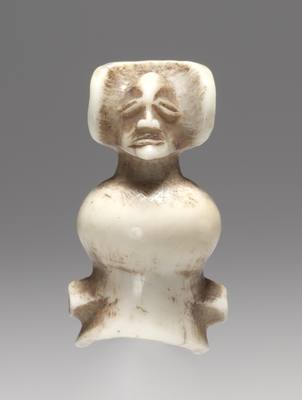
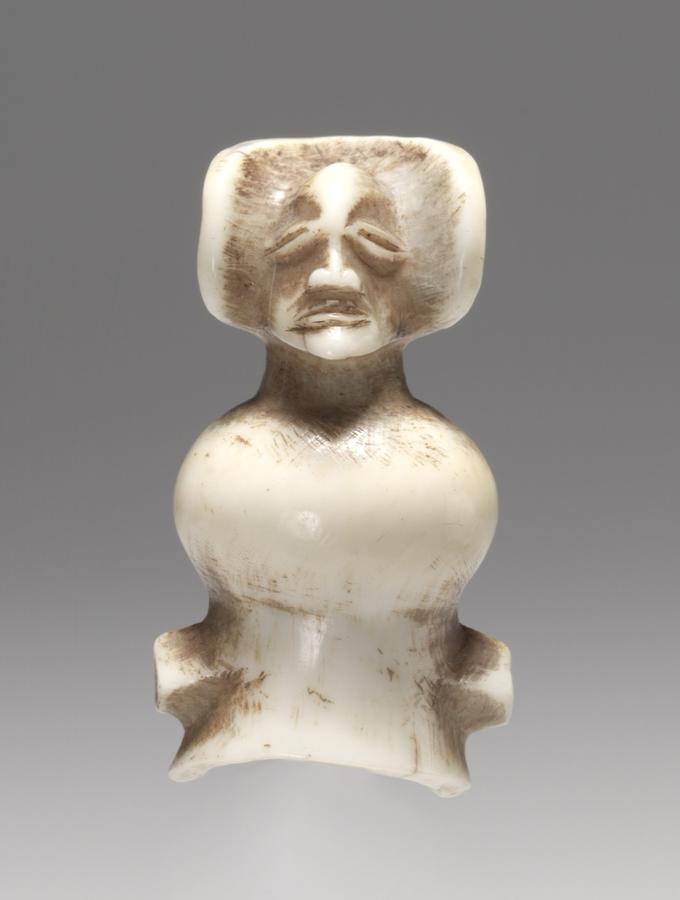
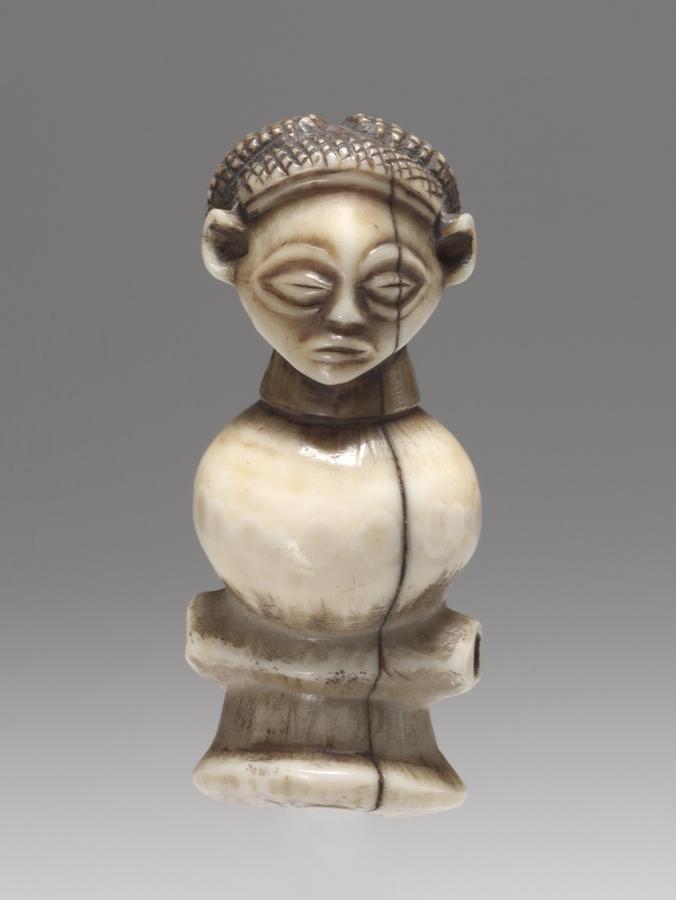
Whistlelate 1800s · Africa, Central Africa, Democratic Republic of the Congo or Angola, Chokwe-style maker (Africa) -
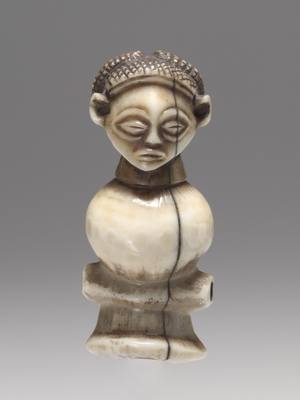
Whistle (kasengosengo)late 1800s · Central Africa, Democratic Republic of Congo or Angola, Chokwe people (Central Africa) -
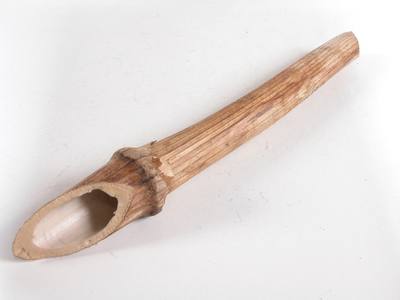
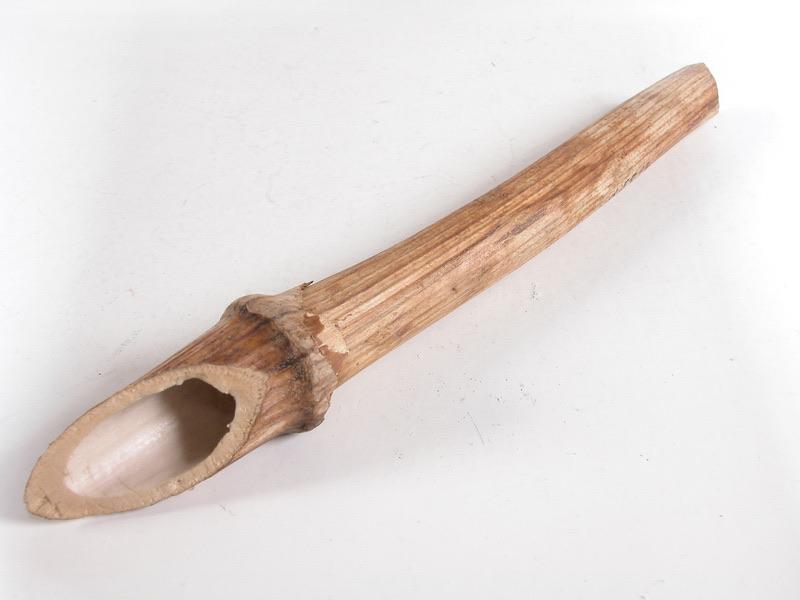
Whistle1900 - 1925 · Vaud -
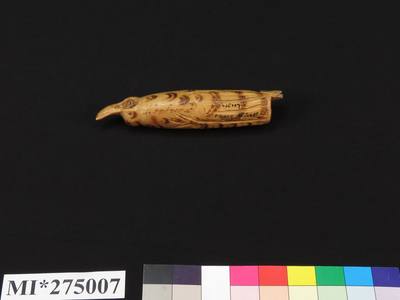
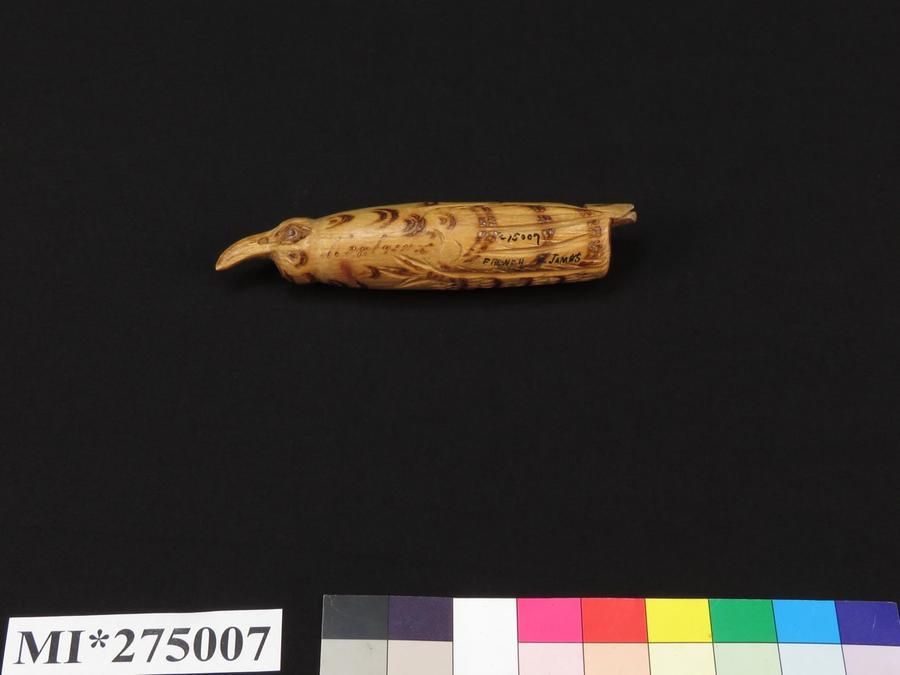
WhistleUndated · Estonia
Facts at a glance
| Hornbostel–Sachs number | 421.221.11 |
|---|---|
| Hornbostel–Sachs group | Aerophones › Non-free aerophones (wind instruments proper) › Edge-blown aerophones or flutes |
| Wikidata labels | 74 languages |
| Wikipedia article | Whistle |
| Wikidata item | Q204917 |
| Wikimedia Commons category | Whistles |
| MusicBrainz instrument | 3d7aca42-f7a7-46d8-9531-d39841a8aa6d |
| Encyclopaedia Britannica | art/whistle |
Sources: Wikidata (CC0 1.0) — classification number, aliases, identifiers (dump of 2026-07-22); Wikipedia (CC BY-SA 4.0) — infobox fields (description of the classification number, development, inventors) and the names of the Hornbostel–Sachs groups (article “Hornbostel–Sachs”, revision of 2026-01-04).
The name in other languages
| Language | Name | Also written |
|---|---|---|
| English | whistle | |
| French | sifflet | Apito |
| German | Pfeife | Trillerpfeife |
| Spanish | silbato | pitido |
| Italian | fischietto | |
| Portuguese | apito | |
| Dutch | fluitje | |
| Russian | свисток | Свистки |
| Japanese | ホイッスル | 笛 |
| Chinese | 哨子 | |
| Korean | 호루라기 | 휘슬, 호각 |
| Arabic | الصّافرة |
Sources: Wikidata (CC0 1.0) — labels and aliases; MusicBrainz (CC0 1.0) — instrument aliases (names only).
About the whistle: history, construction and playing
A whistle Pronunciation is a musical instrument which produces sound from a stream of gas, most commonly air. The whistle makes a high-pitched, piercing, and shrill sound. It is a type of fipple flute, and may be mouth-operated, or powered by air pressure, steam, or other means. Whistles vary in size from a small slide whistle or nose flute type to a large multi-piped church organ.
Whistles have been around since early humans first carved out a gourd or branch and found they could make sound with it. In prehistoric Egypt, small shells were used as whistles. Many present day wind instruments are inheritors of these early whistles. With the rise of more mechanical power, other forms of whistles have been developed.
One characteristic of a whistle is that it creates a pure, or nearly pure, tone. The conversion of flow energy to sound comes from an interaction between a solid material and a fluid stream. The forces in some whistles are sufficient to set the solid material in motion. Classic examples are Aeolian tones that result in galloping power lines, or the Tacoma Narrows Bridge (the so-called "Galloping Gertie" of popular media). Other examples are circular disks set into vibration.
Early whistles
Whistles made of bone or wood have been used for thousands of years. Whistles were used by the Ancient Greeks to keep the stroke of galley slaves. Archaeologists have found a terracotta whistle at the ruins of the ancient Greek city of Assos, most probably a child's toy placed in a child's grave as a burial gift. The English used whistles during the Crusades to signal orders to archers. Bosun's whistles were also used in the Age of Sail aboard naval vessels to issue commands and salute dignitaries.
Joseph Hudson
Joseph Hudson set up J Hudson & Co in Birmingham in 1870. With his younger brother James, he designed the "Acme City" brass whistle. This became the first referee whistle used at association football matches during the 1878–79 Football Association Cup match between Nottingham Forest and Sheffield. Prior to the introduction of the whistle, handkerchiefs were used by the umpires to signal to the players.
In 1883, he began experimenting with pea-whistle designs that could produce an intense sound that could grab attention from over a mile away. His invention was discovered by accident when he dropped his violin and it shattered on the floor. Observing how the discordant sound of the breaking strings travelled (trill effect), Hudson had the idea to put a pea in the whistle. Prior to this, whistles were much quieter and were only thought of as musical instruments or toys for children. After observing the problems that local police were having with effectively communicating with rattles, he realised that his whistle designs could be used as an effective aid to their work. Hudson demonstrated his whistle to Scotland Yard and was awarded his first contract in 1884. Both rattles and whistles were used to call for back-up in areas where neighbourhood beats overlapped, and following their success in the Metropolitan Police of London, the whistle was adopted by most police forces in the United Kingdom.
Source: Wikipedia, “Whistle” — CC BY-SA 4.0 — text excerpted as published (references, images and tables removed); see the article for the full text and the list of authors. Revision of 2026-03-30.
Sources and licences
- Penny whistle, Anonymous, c. 1969, Netherlands. wood (plant material), paper, metal, plastic (organic material). Gift of the Actiecomité B.B.K.. Museum record · Public Domain Mark 1.0
- Whistle, 300–200 BCE, Paracas (Peru). Ceramic, polychrome. Purchase, Amati Gifts, 2007 (2007.16). Museum record · CC0 1.0 (public domain dedication)
- Whistle Jar, 100–900 CE, Calima (Colombia). Ceramic. Purchase, Frederick M. Lehman Bequest, 2007 (2007.73). Museum record · CC0 1.0 (public domain dedication)
- Double Whistle, 7th–9th century, Mayan (Mexico). Pottery, paint. Purchase, Gift of Elizabeth M. Riley, by exchange, 2000 (2000.44). Museum record · CC0 1.0 (public domain dedication)
- Whistle, Anonymous, c. 1780 - c. 1800, Netherlands. silver (metal). Gift of A. Schouten, The Hague. Museum record · Public Domain Mark 1.0
- Bird Shaped Whistle, 19th century, Native American: (Baja Peninsula), Probably Tipai-Ipai (United States or Mexico: N.A.). Pottery. The Crosby Brown Collection of Musical Instruments, 1889 (89.4.1735). Museum record · CC0 1.0 (public domain dedication)
- Whistle, 19th century, Native American (Sioux, Oglala) (United States). turkey bone, resin. The Crosby Brown Collection of Musical Instruments, 1889 (89.4.580). Museum record · CC0 1.0 (public domain dedication)
- Double Stopped Whistle, late 19th century, Native American (Northwest Coast) (Canada). Wood. Museum Accession (X.343). Museum record · CC0 1.0 (public domain dedication)
- Whistle, late 1800s, Africa, Central Africa, Democratic Republic of the Congo or Angola, Chokwe-style maker (Africa). Probably hippopotamus ivory. Educational Purchase Fund. Museum record · CC0 1.0 (public domain dedication)
- Whistle (kasengosengo), late 1800s, Central Africa, Democratic Republic of Congo or Angola, Chokwe people (Central Africa). Probably hippopotamus ivory. Educational Purchase Fund. Museum record · CC0 1.0 (public domain dedication)
- Whistle, 1900 - 1925, Vaud. pine (overall material). Mrs. Julian James. Museum record · CC0 1.0 (public domain dedication)
- Whistle, Kleštšin, Aleksandr (valmistaja), Undated, Estonia. Estonian National Museum / Estonian e-Repository and Conservation of Collections (via Europeana). Museum record · CC0 1.0 (public domain dedication)
Photographs: open-access collections of the museums named above; each is shown here reduced in size, otherwise unchanged. Text: Wikipedia (CC BY-SA 4.0), Wikidata and MusicBrainz (CC0). The full list of sources and licences is on the credits page.