
Instruments · Aerophones
Flageolet
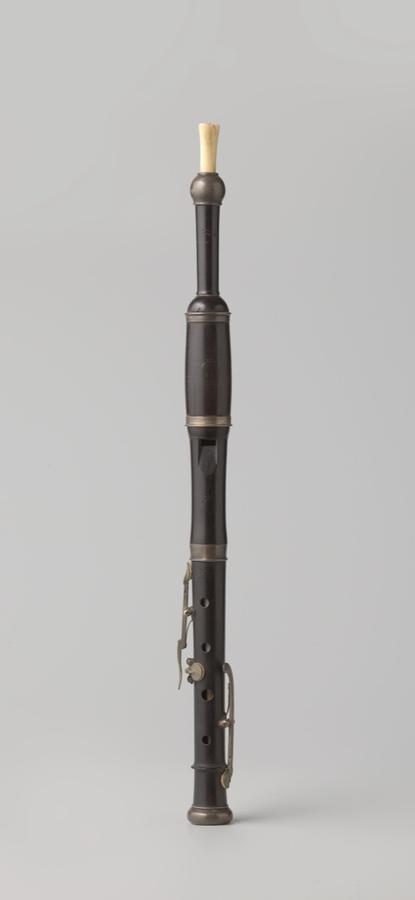
A flageolet is an old woodwind instrument. It belongs to the end-blown flute family. It started to be used in the 16th century for folk music. There are two types: the French type and the English type. The French flageolet had four holes in the front and two in the back. The English flageolet had six holes in the front.
Summary: Simple English Wikipedia, “Flageolet” — CC BY-SA 4.0. Revision of 2022-11-22.
Museum photographs
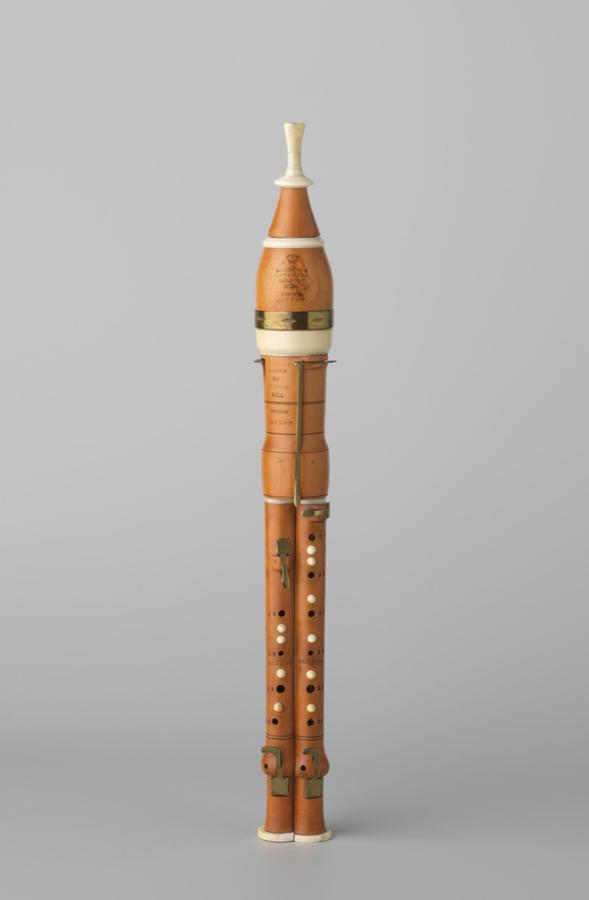
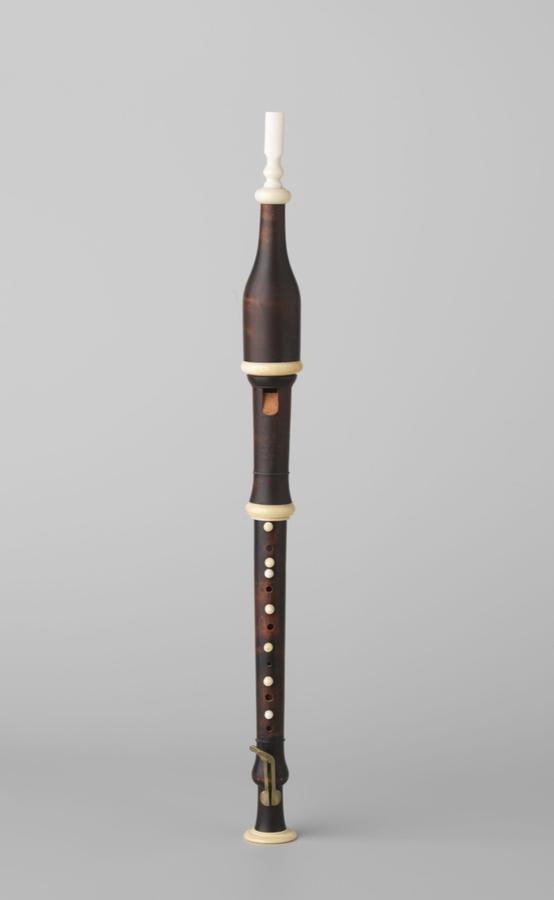
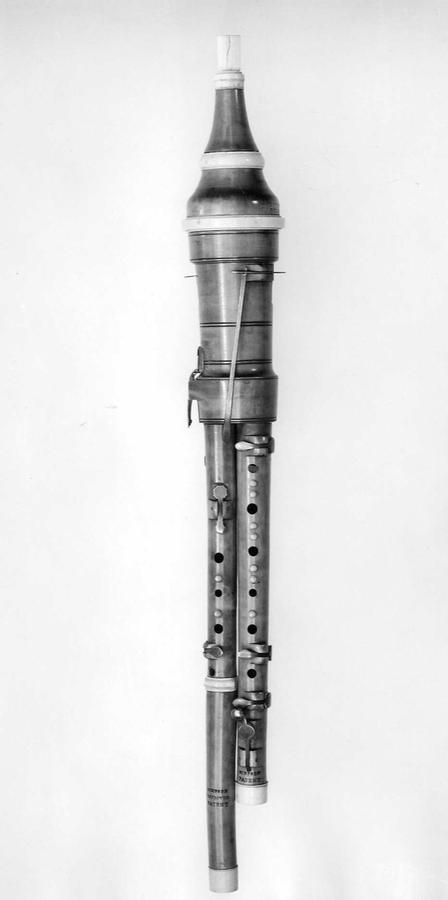
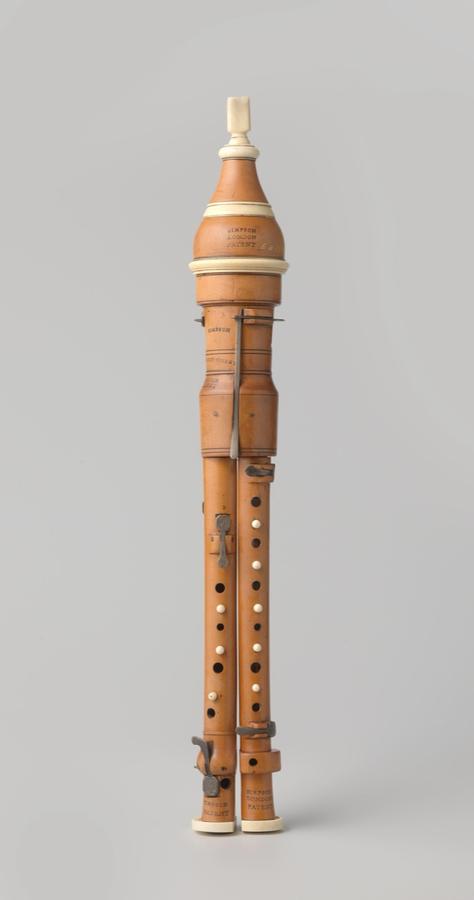
These 9 photographs span 1700–1870, 5 places of origin and 2 museums. Every photograph is public domain or openly licensed, and links to the museum’s own record.
-
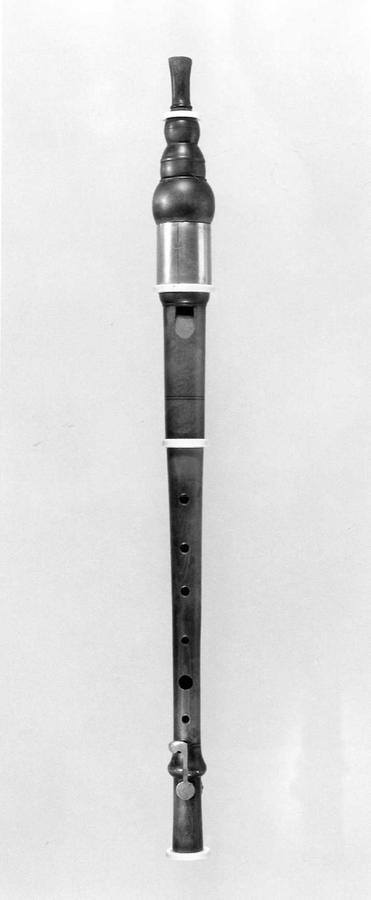
Flageolet in B-flat1848–65 · American (United States) -
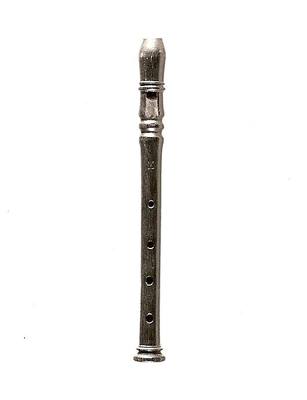
Flageolet in E18th century · possibly French (France or Germany) -
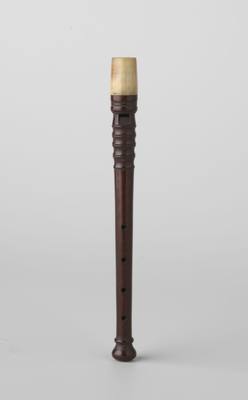
Bird flageolet1775 - 1825 · Europe -
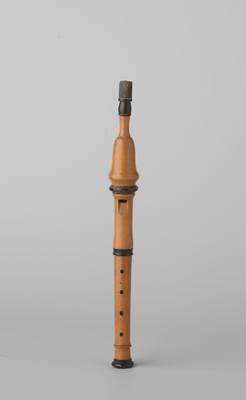
French flageolet1800 - 1849 · France -
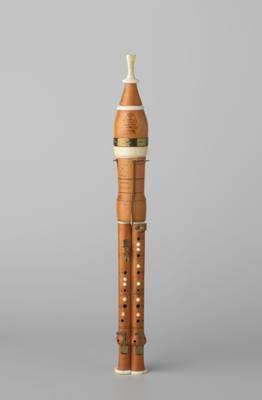
Double Flageolet1808 - 1820 · London -
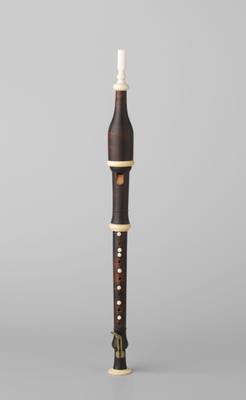
Flageolet1808 - 1820 · London -
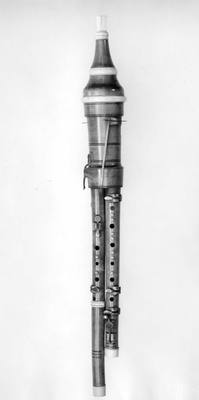
Flageoletca. 1835 · British (United Kingdom) -
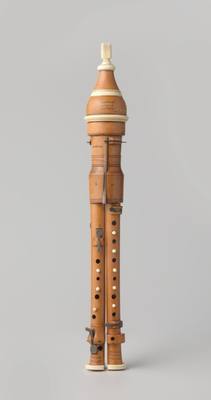
Double flageoletc. 1830 - c. 1850 · London -
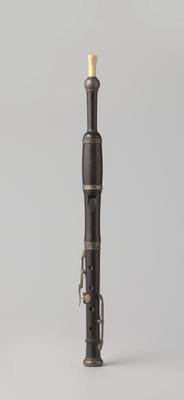
Flageoletc. 1850 - c. 1870 · La Couture
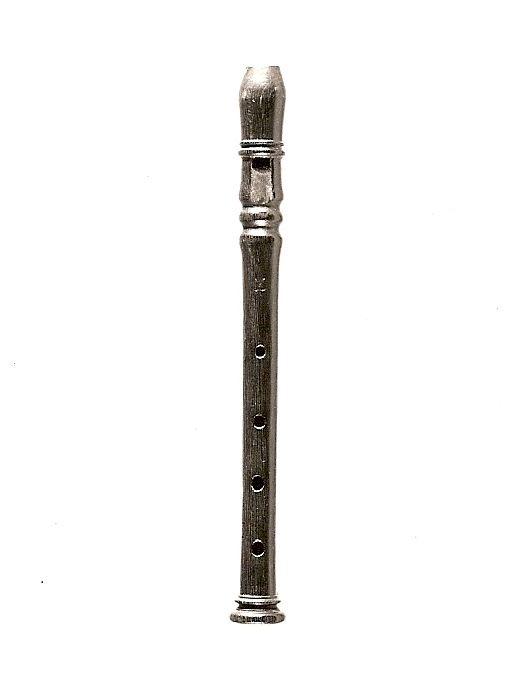
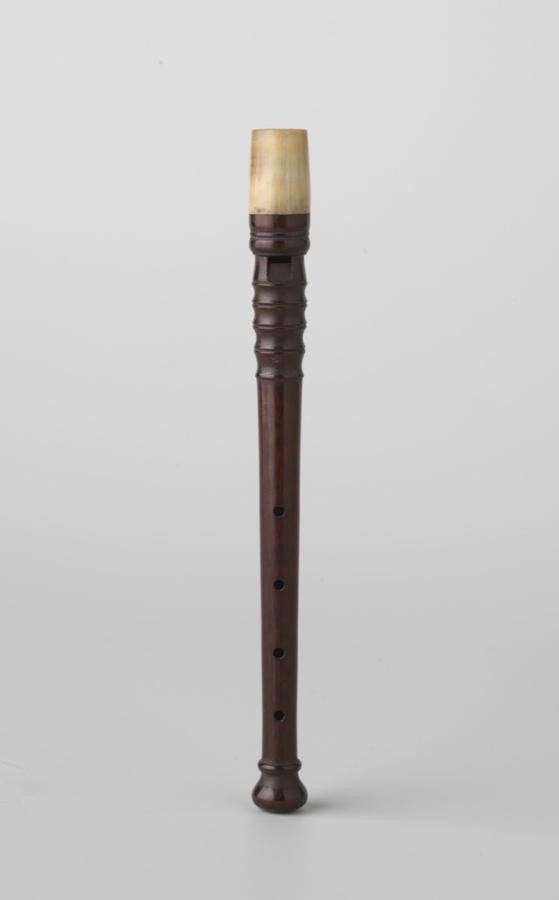
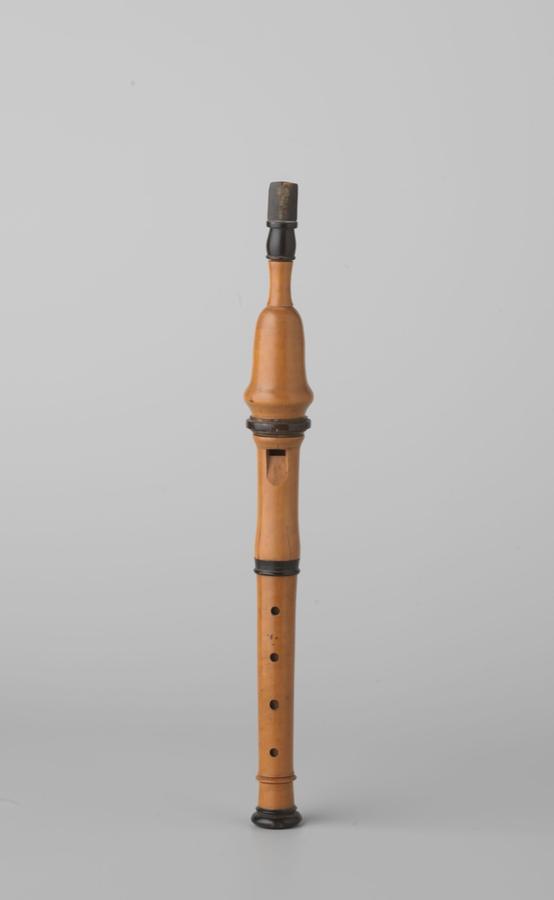
Facts at a glance
| Hornbostel–Sachs number | 421.221.12 — Open flute with internal duct and fingerholes |
|---|---|
| Hornbostel–Sachs group | Aerophones › Non-free aerophones (wind instruments proper) › Edge-blown aerophones or flutes |
| Classification (Wikipedia infobox) | Woodwind, Wind, Aerophone |
| Developed | 1600s |
| Wikidata labels | 33 languages |
| Wikipedia article | Flageolet |
| Wikidata item | Q1001877 |
| Wikimedia Commons category | Flageolets |
| MusicBrainz instrument | fb751686-80c2-4bd0-9ae3-06cb9a37d02b |
| Encyclopaedia Britannica | art/flageolet-musical-instrument |
Sources: Wikidata (CC0 1.0) — classification number, aliases, identifiers (dump of 2026-07-22); Wikipedia (CC BY-SA 4.0) — infobox fields (description of the classification number, development, inventors) and the names of the Hornbostel–Sachs groups (article “Hornbostel–Sachs”, revision of 2026-01-04).
The name in other languages
| Language | Name | Also written |
|---|---|---|
| English | flageolet | French flageolet |
| French | flageolet | |
| German | Flageolett | |
| Spanish | Flageolet | |
| Italian | flagioletto | flageolet, fagioletto, fischiotto |
| Portuguese | chirimía | flajolé |
| Dutch | flageolet | |
| Russian | флажолет | |
| Japanese | フラジオレット | フレンチ・フラジオレット |
| Chinese | 哨笛 | |
| Arabic | صافرة (آلة موسيقية) | صافرة |
Sources: Wikidata (CC0 1.0) — labels and aliases; MusicBrainz (CC0 1.0) — instrument aliases (names only).
About the flageolet: history, construction and playing
The flageolet is a woodwind instrument and a member of the family of duct flutes that includes recorders and tin whistles. There are two basic forms of the instrument: the French, having four finger holes on the front and two thumb holes on the back; and the English, having six finger holes on the front and sometimes a single thumb hole on the back. The latter was developed by English instrument maker William Bainbridge, resulting in the "improved English flageolet" in 1803. There are also double and triple flageolets, having two or three bodies that allowed for a drone and countermelody. Flageolets were made until the 19th century.
History
Flageolets have varied greatly during the last 400 years. The first flageolets were called "French flageolets", and have four tone-holes on the front and two on the back. An early collection of manuscript Lessons for the Flajolet, dating from about 1676, is preserved in the British Library. Small versions of this instrument, called bird flageolets, were also made and were used for teaching birds to sing. These tiny flageolets have, like the French flageolet, four finger holes on the front and two thumb holes on the back. Its invention is often attributed to the 16th-century Sieur Juvigny in 1581. It is possible Juvigny refined an earlier design, or was simply a flageolet player.
The number of keys on French flageolets ranges from none to seven, the exception being the Boehm system French flageolet made by Buffet Crampon which had eight keys and five rings. The arrangement of the tone holes on the flageolet yields a scale different from that on the whistle or recorder. The flageolet's basic scale is D-E-F-G-A-B-C-d. Cross-fingerings and keys are required to play a major scale.
English
In the late 18th and early 19th centuries, certain English instrument makers, most notably William Bainbridge, started to make flageolets with six finger-holes on the front. These instruments are called "English flageolets" and were eventually produced in metal as tin whistles. The keys number between none and six. Some were produced with changeable top joints which allowed the flageolet to be played as a flute or fife.
Double
In 1805 William Bainbridge made a double flageolet out of one piece of wood. In December 1805 his rival Thomas Scott was granted a patent for "an instrument on the flageolette principle, so constructed as a single instrument that two parts of a musical composition can be played thereon at the same time by one person". With the blind organist John Purkis, the Scott & Purkis partnership was formed to manufacture the new instruments, and a tutorial book was published. Bainbridge patented a traverse flageolet in 1807 and a double flute-flageolet in 1819. In the 1820s, he created a triple flageolet. The third pipe relies on the thumb to finger in an ocarina pattern.
Design
The mouthpiece of the initial French design resembled that of a recorder. A later design placed an elongated windcap around the entrance to the duct and became the standard for the English instrument. The mouthpiece was a flat bit of ivory or bone. The chamber inside the windcap was intended to collect moisture and prevent it from entering the duct, employing differing devices for that purpose.
The stream of air passing through the duct crosses the window and is split by the labium (also lip or edge) giving rise to a musical sound. The body (or bodies, in a double or triple flageolet) contains the finger holes and keys. The windcap is not essential to the sound production and the instrument can be played by blowing directly into the duct as in the initial recorder-type design.
The flageolet was eventually entirely replaced by the tin whistle and is rarely played today. However, it is a very easy instrument to play and the tone is soft and gentle. It has a range of about two octaves.
Source: Wikipedia, “Flageolet” — CC BY-SA 4.0 — text excerpted as published (references, images and tables removed); see the article for the full text and the list of authors. Revision of 2026-01-12.
From Grove’s Dictionary (1900)
FLAGEOLET (Old Fr. flajol). The modern form of the old Flute á bec or straight flute. The upper part consists of a plain mouthpiece, leading to a cavity, in which is a sounding-lip exactly resembling that of an open pipe in the organ. The air is shaped by a thin groove into a flat sheet, which strikes against the feather-edge of an aperture formed in the intermediate part of the instrument. The vibrations thus originated pass into a conical tube, which, unlike the organ-pipe, is furnished with lateral holes, and sometimes with keys. The fundamental note of the speaking throat, being coerced by different lengths of consonant tube, gives a simple scale; which can be extended by forcing wind in more strongly, and thus producing the first two or three harmonics of the ground tone.
The simplest form of the Flageolet is the ordinary tin whistle with six holes. This consists of a conical tube of metal stopped at the top by a square block of wood, except in a narrow anterior fissure. Below the fissure is a gap, the lower edge of which is flattened so as to cut and intercept the stream of air. In more elaborate instruments a chamber is added above containing moist sponge intended to hold back the condensed moisture of the breath.
In the whistle, and in the English Flageolet, the scale is simply that of the Flute; indeed, flutes are made from which the usual head can be removed and that of the Flageolet substituted. The French Flageolet is similar in its upper part, but possesses a more complicated scale, and an abundance of auxiliary keys.
Source: Wikisource, A Dictionary of Music and Musicians (Grove, 1900) — “Flageolet (Instrument)” (entry by William H. Stone) — Public domain (published 1879–1910; authors died before 1929) — the first paragraphs of the entry, as transcribed; see the page for the full entry.
Sources and licences
- Flageolet in B-flat, Firth, Pond & Co., 1848–65, American (United States). Wood, ivory, brass, nickel-silver. The Crosby Brown Collection of Musical Instruments, 1889 (89.4.1305). Museum record · CC0 1.0 (public domain dedication)
- Flageolet in E, 18th century, possibly French (France or Germany). Cocus wood. The Crosby Brown Collection of Musical Instruments, 1889 (89.4.916). Museum record · CC0 1.0 (public domain dedication)
- Bird flageolet, Anonymous, 1775 - 1825, Europe. horn (animal material), wood (plant material). Gift of Elly Lammers and Gerrit van der Veer, Lelystad. Museum record · Public Domain Mark 1.0
- French flageolet, Anonymous, 1800 - 1849, France. boxwood (hardwood), horn (animal material). Gift of Elly Lammers and Gerrit van der Veer, Lelystad. Museum record · Public Domain Mark 1.0
- Double Flageolet, 1808 - 1820, London. ivory, boxwood (hardwood), brass (alloy). Gift of Elly Lammers and Gerrit van der Veer, Lelystad. Museum record · Public Domain Mark 1.0
- Flageolet, William Bainbridge, 1808 - 1820, London. ivory, boxwood (hardwood), brass (alloy). Gift of Elly Lammers and Gerrit van der Veer, Lelystad. Museum record · Public Domain Mark 1.0
- Flageolet, John Simpson, ca. 1835, British (United Kingdom). Boxwood, ivory, silver. Gift of Mrs. Saul S. Weinberg, 1969 (69.43.1). Museum record · CC0 1.0 (public domain dedication)
- Double flageolet, John Simpson, c. 1830 - c. 1850, London. ivory, silver (metal), boxwood (hardwood). Rijksmuseum, Amsterdam. Museum record · Public Domain Mark 1.0
- Flageolet, Jean-Francois Martin, c. 1850 - c. 1870, La Couture. ebony (wood), silver (metal). Rijksmuseum, Amsterdam. Museum record · Public Domain Mark 1.0
Photographs: open-access collections of the museums named above; each is shown here reduced in size, otherwise unchanged. Text: Wikipedia (CC BY-SA 4.0), Grove’s Dictionary (public domain), Wikidata and MusicBrainz (CC0). The full list of sources and licences is on the credits page.