
Instruments · Chordophones
Viola
A viola is a high pitched instrument that is similar to the violin and cello. Viola is slightly larger than violin. It has lower and deeper sound, but higher than a cello. It has four strings: the C, G, D, and A strings. The highest string is the A string. The viola is played with a bow in the right hand. Playing with the bow is called arco. Sometimes the strings may be plucked (pizzicato).
Summary: Simple English Wikipedia, “Viola” — CC BY-SA 4.0. Revision of 2024-12-06.
Hear the real instrument
These are recordings of a real viola, not a synthesiser. Click or tap a key to hear that note, or press Play the range to hear every note the instrument was recorded on, from lowest to highest.
| Recorded instrument | Viola |
|---|---|
| Range recorded | C3 to C7 |
| Notes | 49 recorded notes, one for every semitone from lowest to highest. Middle C is C4. |
Without JavaScript: play the lowest note (C3) or the highest note (C7) as MP3 files.
Recordings: IRCAM SOL (TinySOL), CC BY 4.0, Cella et al. Each note is cut from the original recording, levelled in loudness and converted to a short MP3; the playing technique is ordinary (ordinario), mostly at mezzo-forte.
Museum photographs
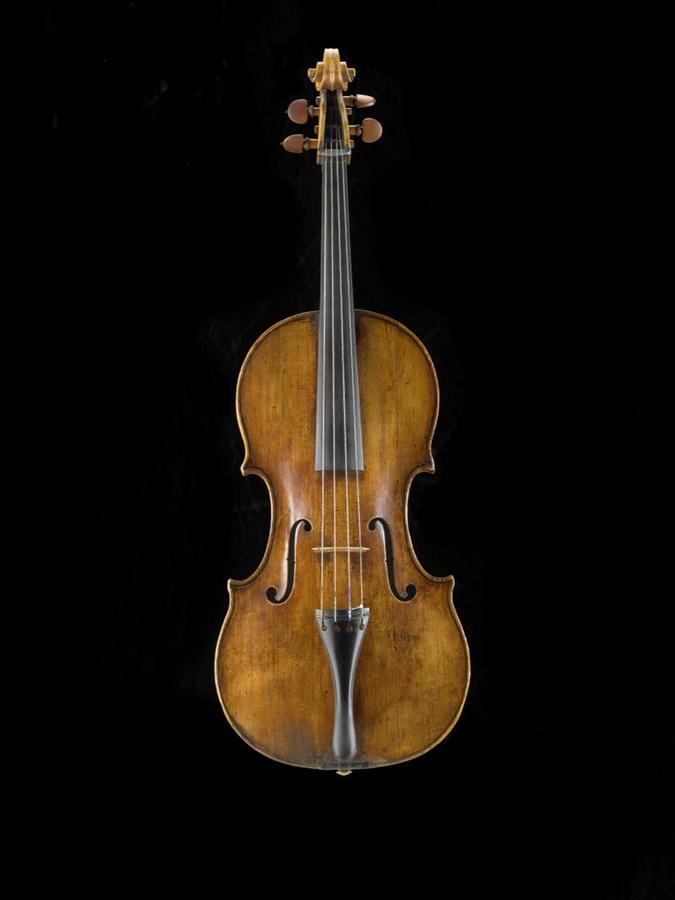
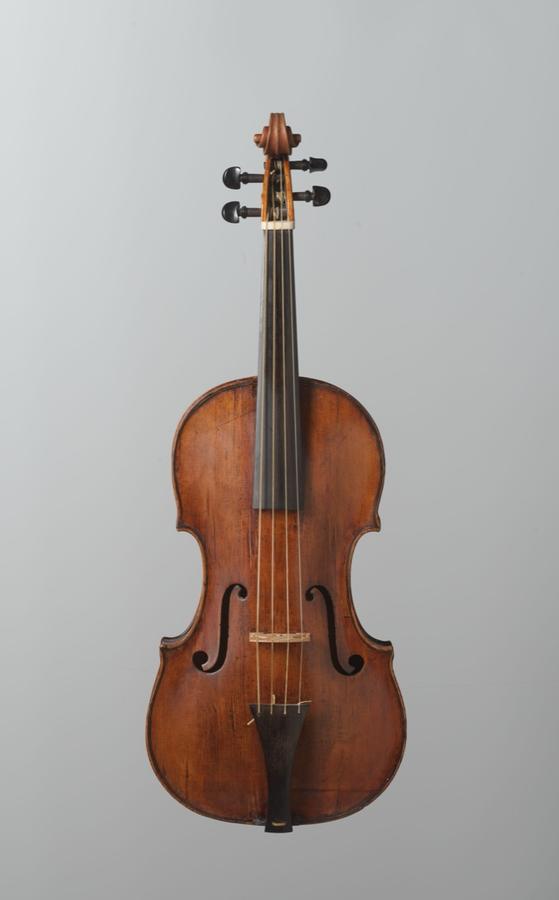
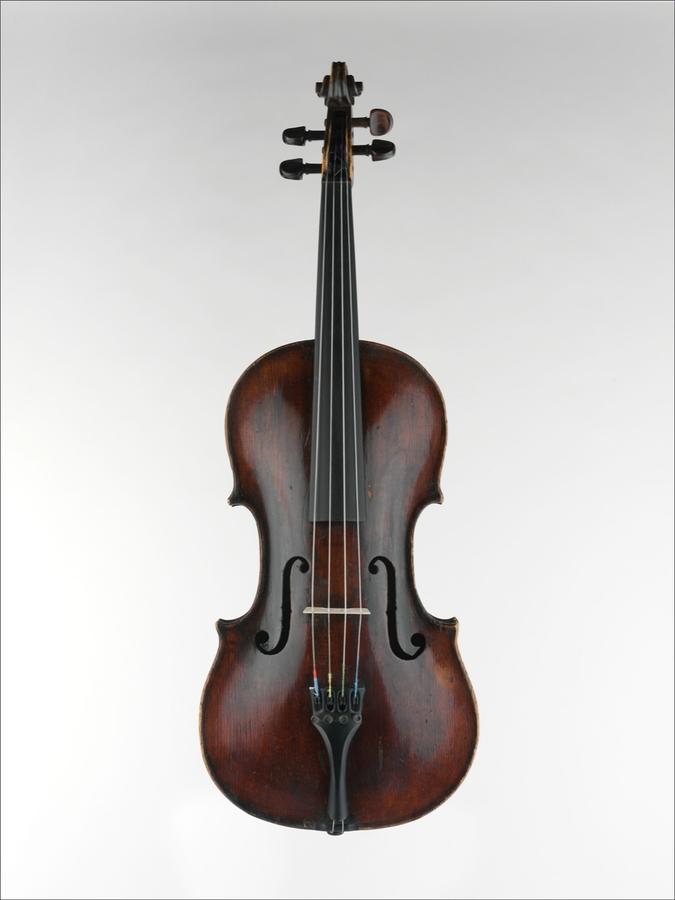
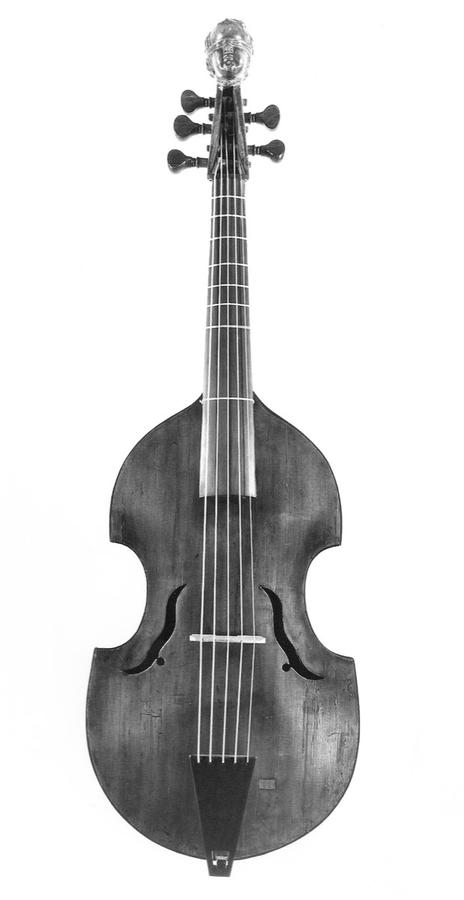
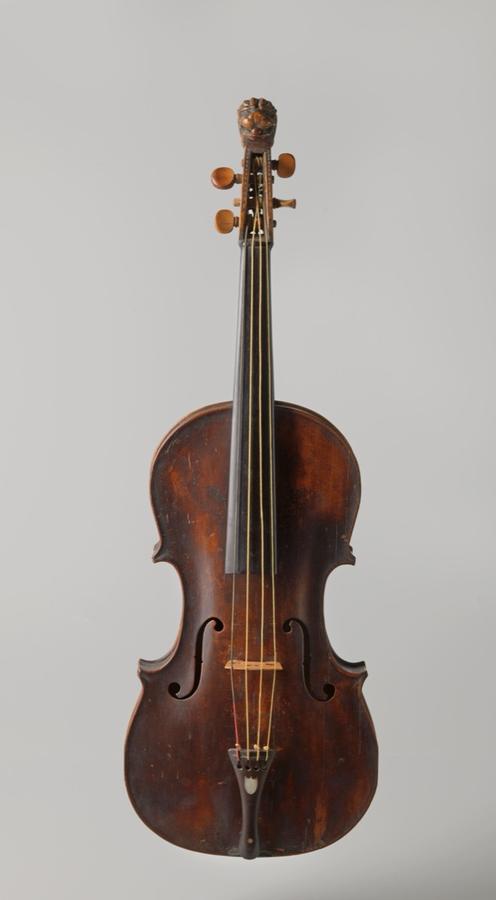
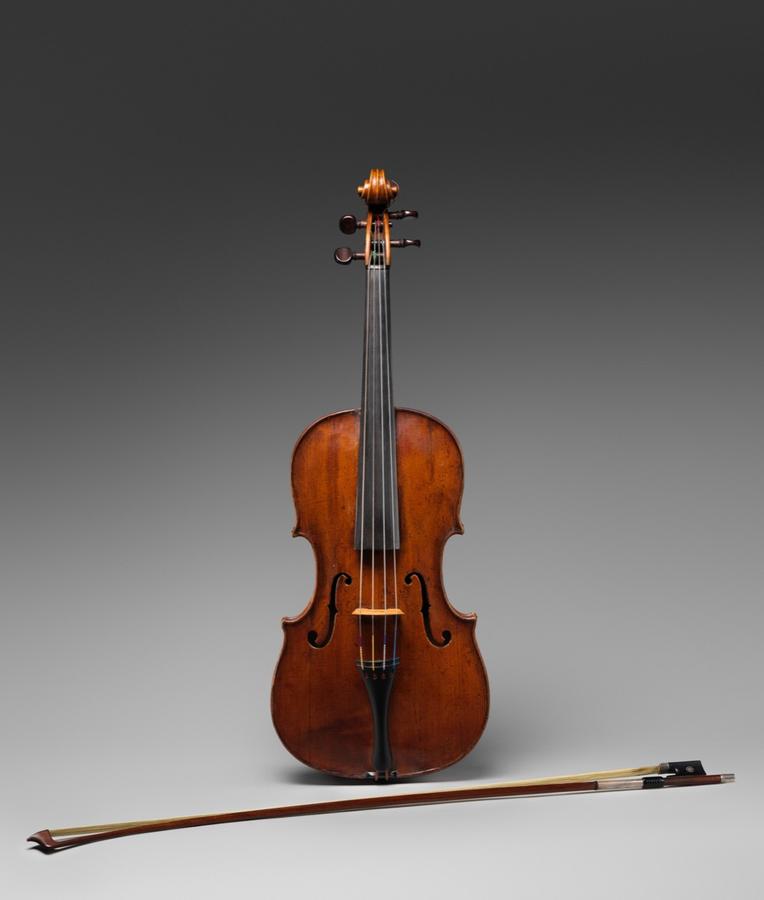
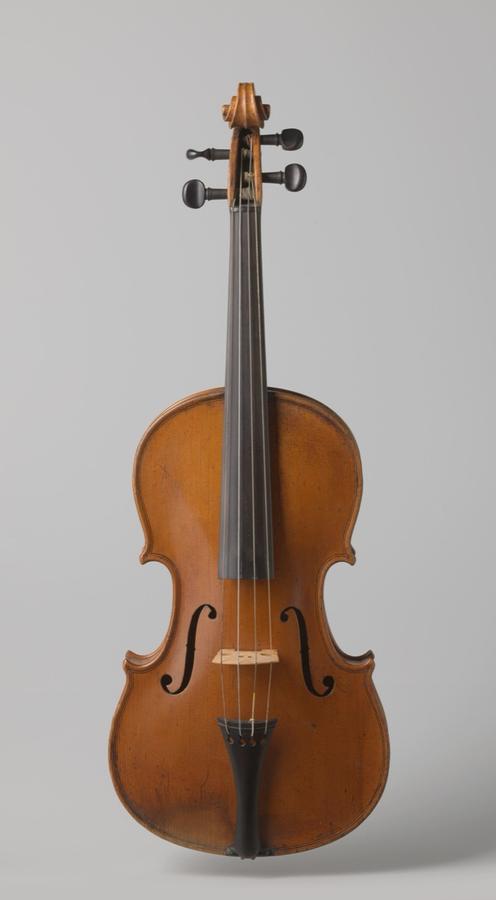
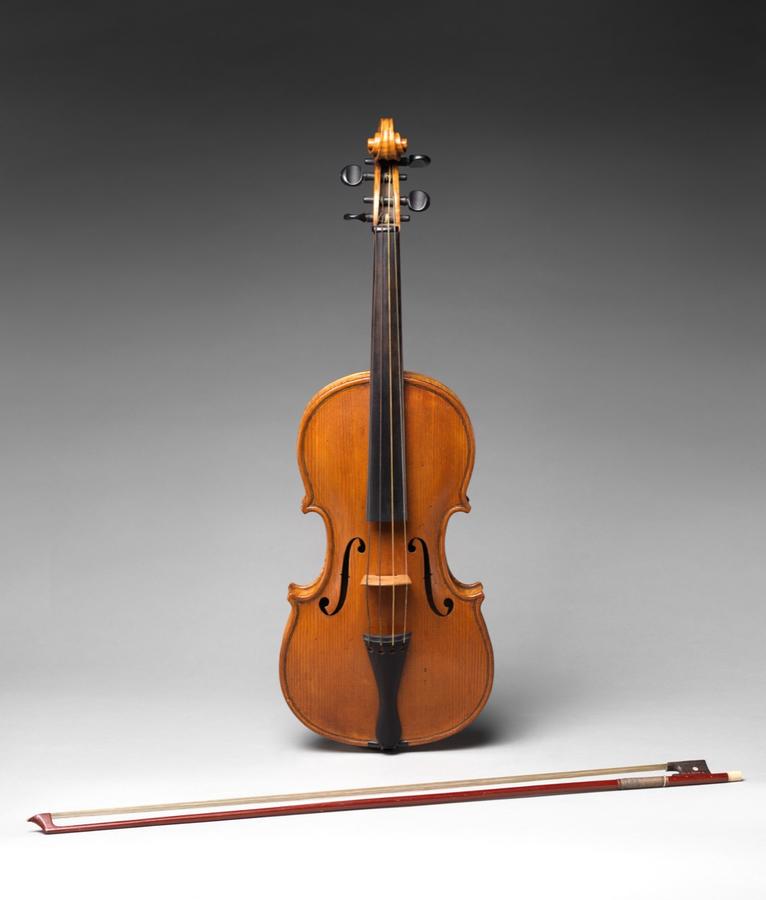
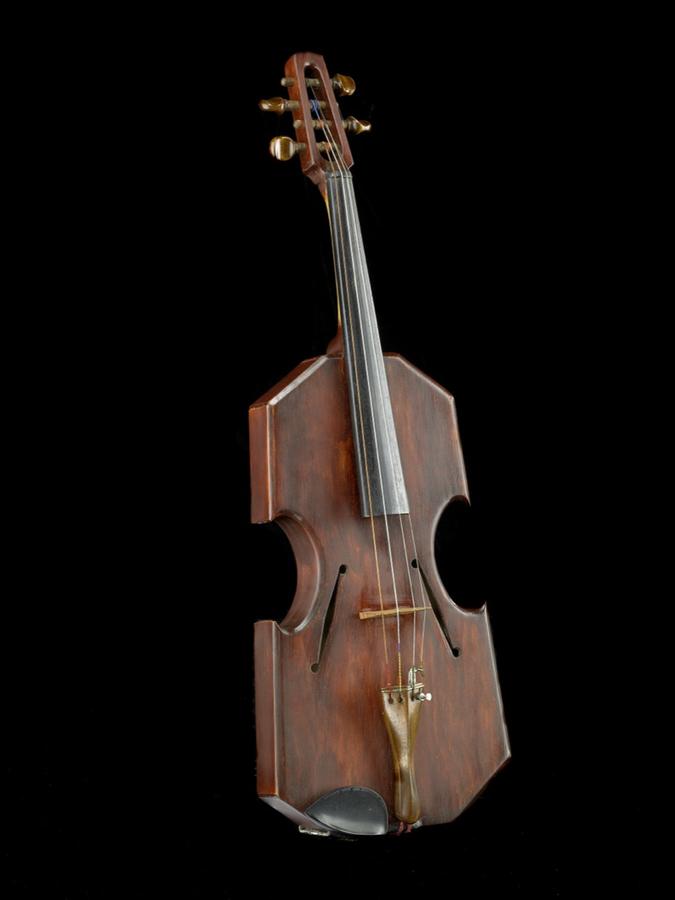
These 11 photographs span 1655–1938, 7 places of origin and 3 museums. Every photograph is public domain or openly licensed, and links to the museum’s own record.
-
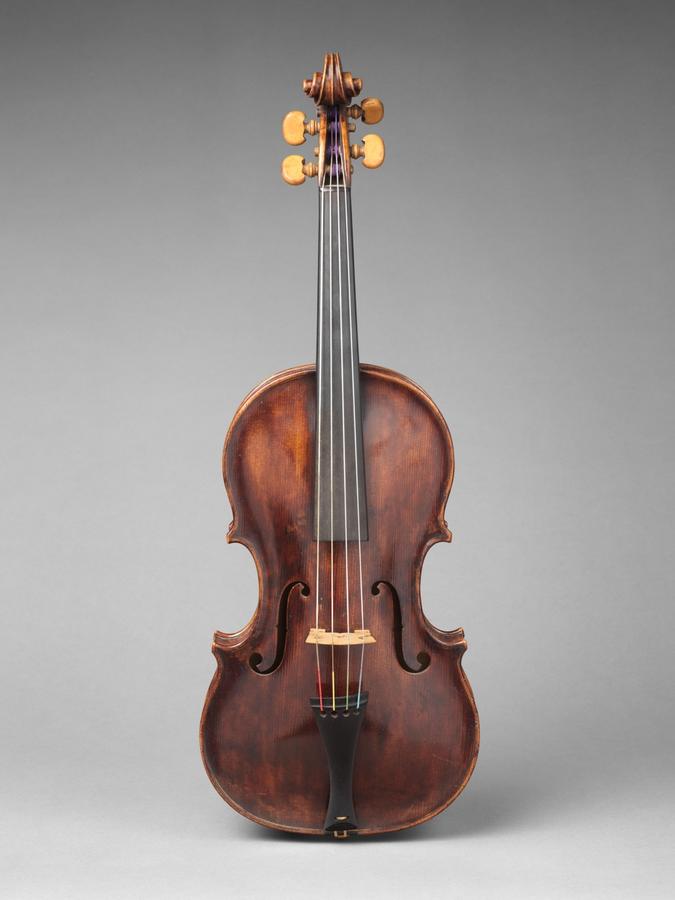
Viola1791 · British (United Kingdom) -
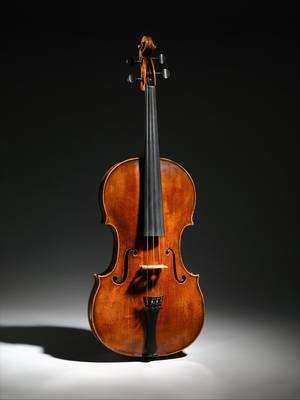
Violaca. 1660 · Austrian (Austria) -
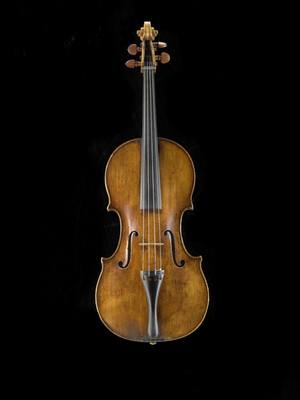
Nicolò Amati Viola: the "Professor Wirth"1663 · Cremona -
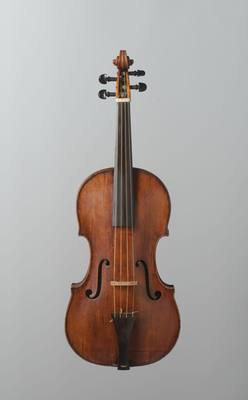
Tenor viola1700 - 1799 · Germany -
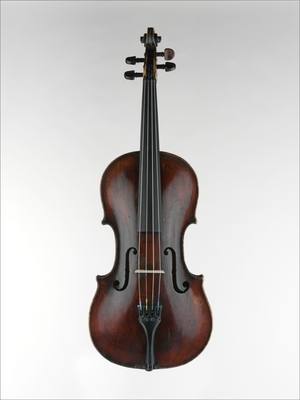
Viola1757 · American (United States) -
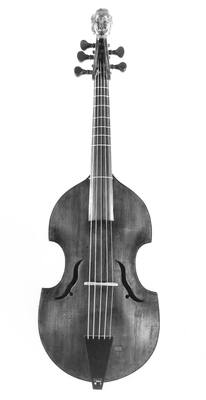
Viola da Bracciomid-18th century · Germany -
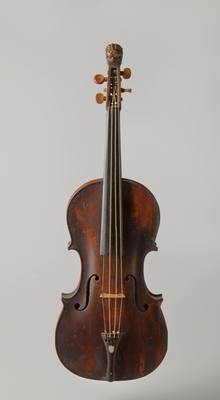
Viola1737 · Hamburg (stad) -
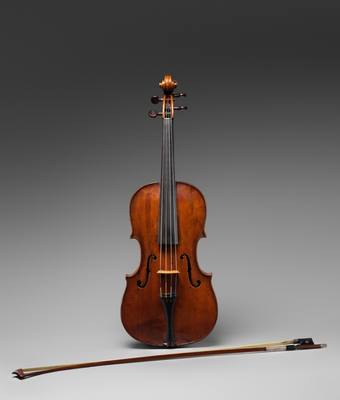
Violalate 18th century · Italian (Italy?) -
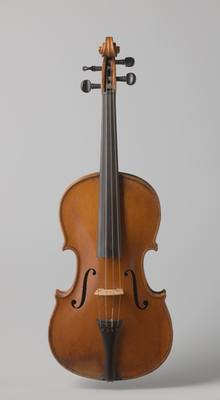
Viola1806 · The Hague -
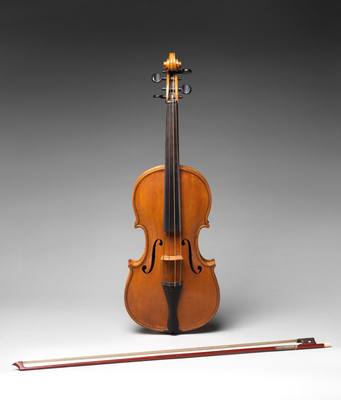
Viola1884 · American (United States) -
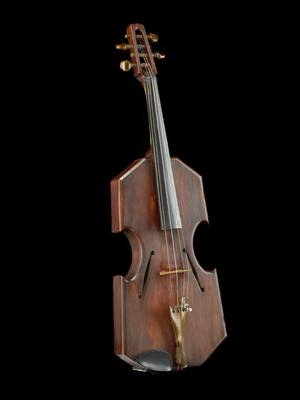
Bancroft Viola1938 · United States
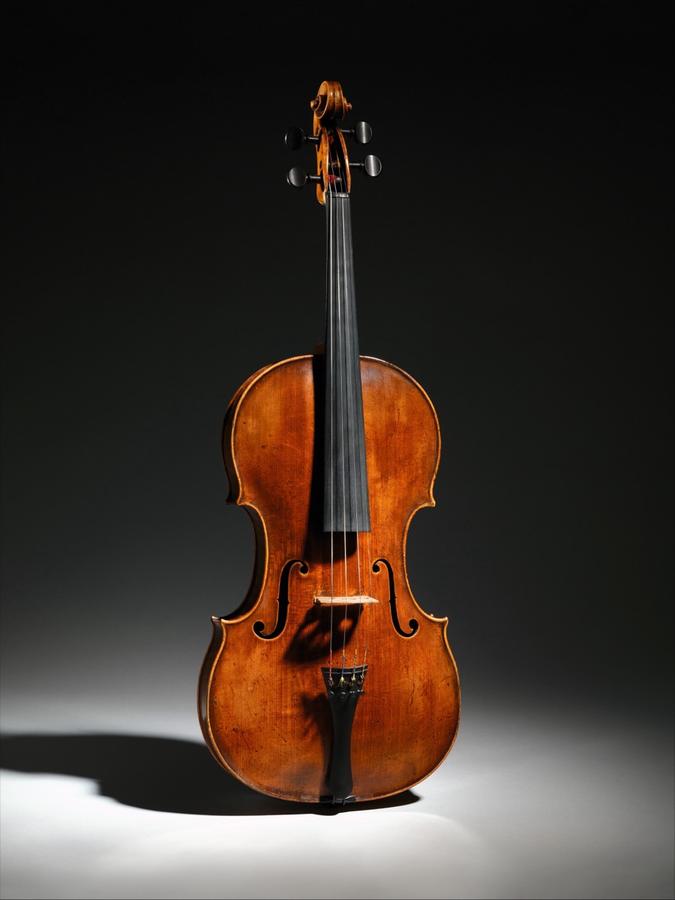
Facts at a glance
| Hornbostel–Sachs number | 321.322-71 — Composite chordophone sounded by a bow |
|---|---|
| Hornbostel–Sachs group | Chordophones › Composite chordophones › Lutes |
| Also known as | violas |
| Developed | c. 13th century |
| Wikidata labels | 102 languages |
| Wikipedia article | Viola |
| Wikidata item | Q80284 |
| Wikimedia Commons category | Viola (music) |
| MusicBrainz instrument | 377e007a-33fe-4825-9bef-136cf5cf581a |
| Encyclopaedia Britannica | art/viola-musical-instrument |
| Audio sample (Wikimedia Commons) | Viola.ogg |
Sources: Wikidata (CC0 1.0) — classification number, aliases, identifiers (dump of 2026-07-22); Wikipedia (CC BY-SA 4.0) — infobox fields (description of the classification number, development, inventors) and the names of the Hornbostel–Sachs groups (article “Hornbostel–Sachs”, revision of 2026-01-04).
The name in other languages
| Language | Name | Also written |
|---|---|---|
| English | viola | violas |
| French | alto | violon alto, alto violon |
| German | Bratsche | Viola, Vla., Armgeige |
| Spanish | viola | alto, violín alto, violin alto |
| Italian | viola | |
| Portuguese | viola | violeta, altor, viola de arco |
| Dutch | altviool | bratch |
| Russian | альт | Альт, музыкальный инструмент |
| Japanese | ヴィオラ | 中提琴, ビオラ, スミレ属 |
| Chinese | 中提琴 | |
| Korean | 비올라 | 비올라 연주자 |
| Arabic | كمان أوسط | فيولا, الكمان الأوسط |
Sources: Wikidata (CC0 1.0) — labels and aliases; MusicBrainz (CC0 1.0) — instrument aliases (names only).
About the viola: history, construction and playing
The viola is a string instrument of the violin family, and is usually bowed when played. The viola is slightly larger than the violin and has a lower sound. Since the 18th century, it has been the middle or alto voice of the violin family, between the violin (which is tuned a perfect fifth higher) and the cello (which is tuned an octave lower). The strings from low to high are typically tuned to C3, G3, D4, and A4.
In the past, the viola varied in size and style, as did its names. The word viola originates from the Italian language. The Italians often used the term viola da braccio, meaning, literally, 'of the arm'. "Brazzo" was another Italian word for the viola, which the Germans adopted as Bratsche. The French had their own names: cinquiesme was a small viola, haute contre was a large viola, and taile was a tenor. Today, the French use the term alto, a reference to its range.
The viola was popular in the heyday of five-part harmony, up until the eighteenth century, taking three lines of the harmony and occasionally playing the melody line. Music notation for the viola differs from most other instruments in that it primarily uses the alto clef. When viola music has substantial sections in a higher register, it switches to the treble clef to make it easier to read.
Form
The viola is similar in material and construction to the violin. A full-size viola's body is between 25 and 100 mm longer than the body of a full-size violin (i.e, between 38 and), with an average length of 41 cm. Violas for children typically start at 30 cm. For centuries, viola makers have experimented with the size and shape of violas, often to make a lighter instrument with shorter string lengths, but with a large enough sound box to retain the sound associated with the instrument. Prior to the 18th century, a large viola (known as a tenor) was designed to play lower notes. A smaller-sized viola (alto viola) was used for higher register.
Several experiments have intended to increase the size of the viola to improve its sound and harmony. Hermann Ritter's viola alta, which measured about 48 cm, was intended for use in Wagner's operas. The Tertis model viola, which has wider bouts and deeper ribs to promote a better tone, is another slightly "nonstandard" shape that allows the player to use a larger instrument. Many experiments with the acoustics of a viola, particularly increasing the size of the body, have resulted in a much deeper tone, making it resemble the tone of a cello. Since many composers wrote for a traditional-sized viola, particularly in orchestral music, changes in the tone of a viola can have unintended consequences upon the balance in ensembles.
One of the most notable makers of violas of the twentieth century was Englishman A. E. Smith, whose violas are sought after and highly valued. Many of his violas remain in Australia, his country of residence, where during some decades the violists of the Sydney Symphony Orchestra had a dozen of them in their section.
More recent (and more radically shaped) innovations have addressed the ergonomic problems associated with playing the viola by making it shorter and lighter, while finding ways to keep the traditional sound. These include the Otto Erdesz "cutaway" viola, which has one shoulder cut out to make shifting easier; the "Oak Leaf" viola, which has two extra bouts; viol-shaped violas such as Joseph Curtin's "Evia" model, which also uses a moveable neck and maple-veneered carbon fibre back, to reduce weight: violas played in the same manner as cellos; and the eye-catching "Dalí-esque" shapes of both Bernard Sabatier's violas in fractional sizes—which appear to have melted—and David Rivinus' Pellegrina model violas.
Tuning
The viola's four strings are normally tuned in fifths: the lowest string is C (an octave below middle C), with G, D, and A above it. This tuning is exactly one fifth below the violin, so that they have three strings in common—G, D, and A—and is one octave above the cello.
Each string of a viola is wrapped around a peg near the scroll and is tuned by turning the peg. Tightening the string raises the pitch; loosening the string lowers the pitch. The A string is normally tuned first, to the pitch of the ensemble: generally 400–442 Hz. The other strings are then tuned to it in intervals of fifths, usually by bowing two strings simultaneously. Most violas also have adjusters—fine tuners that make finer pitch adjustments. Some violists will choose to only have one fine tuner on the A string; others choose to have fine tuners on all strings. These adjust the tension of the string via rotating a small knob above the tailpiece. Such tuning is generally easier to learn than using the pegs, and adjusters are usually recommended for younger players and put on smaller violas, though pegs and adjusters are usually used together. Some violists reverse the tuning of the C and G strings, so that the thicker C string does not turn so severe an angle over the nut, although this is rare.
Small, temporary tuning adjustments can also be made by stretching a string with the hand. A string may be tuned down by pulling it above the fingerboard, or tuned up by pressing the part of the string in the pegbox. These techniques may be useful in performances such as live concerts, reducing the dissonance of an out-of-tune string or viola until a proper opportunity to tune.
Reading music
Music that is written for the viola primarily uses the alto clef, which is otherwise rarely used. The note that resides on the lowest line on the alto clef stave is F3, whereas in treble clef it is E4. Viola music employs the treble clef when there are substantial sections of music written in a higher register. The alto clef indicates the placement of C4 on the middle line of the staff.
As the viola is tuned exactly one octave above the cello, music that is notated for the cello can be easily transcribed for alto clef without any changes in key. For example, there are numerous editions of Bach's Cello Suites transcribed for viola. The viola also has the advantage of smaller scale-length when compared to the cello. This means that the stretches needed by cellists to play certain notes are easier to achieve on the viola. However, occasional changes must be made due to differences in the ways that the two instruments are played, as well as their differences in range.
Role in pre-twentieth century works
In early orchestral music, the viola part was usually limited to filling in harmonies, with very little melodic material assigned to it. When the viola was given a melodic part, it was often duplicated (or was in unison with) the melody played by other strings.
The Brandenburg Concertos, a set of concerti grossi composed by J. S. Bach, are unusual for their time in their use of viola. The third concerto grosso, scored for three violins, three violas, three cellos, and basso continuo, requires virtuosity from the violists. Indeed, Viola I has a solo in the last movement which is commonly required in orchestral auditions. In the sixth concerto grosso, Brandenburg Concerto No. 6, scored for 2 violas "concertino", cello, 2 violas da gamba, and continuo, the two violas play the primary melodic roles. Bach also used this unusual ensemble in his cantatas Gleichwie der Regen und Schnee vom Himmel fällt, BWV 18 and Mein Herze schwimmt im Blut, BWV 199, in which the chorale is accompanied by an obbligato viola.
There are a few Baroque and Classical concerti, such as those by Georg Philipp Telemann (one for solo viola, being one of the earliest viola concertos known, and one for two violas), Alessandro Rolla, Franz Anton Hoffmeister and Carl Stamitz.
The viola plays an important role in chamber music. Mozart used the viola in more creative ways when he wrote his six string quintets. The viola quintets use two violas, which frees them (especially the first viola) for solo passages and increases the variety of writing that is possible for the ensemble. Mozart also wrote for the viola in his Sinfonia Concertante, a set of two duets for violin and viola, and the Kegelstatt Trio for viola, clarinet, and piano. The young Felix Mendelssohn wrote a little-known Viola Sonata in C minor (without opus number, but dating from 1824). Robert Schumann wrote his Märchenbilder for viola and piano. He also wrote a set of four pieces for clarinet, viola, and piano, Märchenerzählungen.
Twentieth century and beyond
In the earlier part of the 20th century, more composers began to write for the viola, encouraged by the emergence of specialized soloists such as Tertis. Englishmen Arthur Bliss, Edwin York Bowen, Benjamin Dale, and Ralph Vaughan Williams all wrote chamber and concert works for Tertis. William Walton, Bohuslav Martinů, and Béla Bartók wrote well-known viola concertos. Hindemith wrote a substantial amount of music for the viola; being himself a violist, he often performed his own works. Claude Debussy's Sonata for flute, viola and harp has inspired a significant number of other composers to write for this combination.
Charles Wuorinen composed his virtuosic Viola Variations in 2008 for Lois Martin. Elliott Carter also wrote several works for viola including his Elegy (1943) for viola and piano; it was subsequently transcribed for clarinet. Ernest Bloch, a Swiss-born American composer best known for his compositions inspired by Jewish music, wrote two famous works for viola, the Suite 1919 and the Suite Hébraïque for solo viola and orchestra. Rebecca Clarke was a 20th-century composer and violist who also wrote extensively for the viola. Lionel Tertis records that Elgar (whose cello concerto Tertis transcribed for viola, with the slow movement in scordatura), Alexander Glazunov (who wrote an Elegy, Op. 44, for viola and piano), and Maurice Ravel all promised concertos for viola, yet all three died before doing any substantial work on them.
Contemporary pop music
The viola is sometimes used in contemporary popular music, mostly in the avant-garde. John Cale of The Velvet Underground used the viola, as do some modern groups such as alternative rock band 10,000 Maniacs, Imagine Dragons, folk duo John & Mary, British Sea Power, The Airborne Toxic Event, Marillion, and others often with instruments in a chamber setting. Jazz music has also seen its share of violists, from those used in string sections in the early 1900s to a handful of quartets and soloists emerging from the 1960s onward. It is quite unusual though, to use individual bowed string instruments in contemporary popular music.
Source: Wikipedia, “Viola” — CC BY-SA 4.0 — text excerpted as published (references, images and tables removed); see the article for the full text and the list of authors. Revision of 2026-06-28.
Composers who played it
129 composers on this site list the viola as an instrument they played. A selection:
- Johann Sebastian Bach 1685–1750
- Wolfgang Amadeus Mozart 1756–1791
- Antonín Dvořák 1841–1904
- Giovanni Antonio Pandolfi 1624–
- Carlo Zuccari 1703–1792
- Johann Adam 1704–1779
- William Shield 1748–1829
- Joseph Schubert 1754–1837
- Federigo Fiorillo 1755–1823
- Alessandro Rolla 1757–1841
- Joachim Nicolas Eggert 1779–1813
- Joseph von Blumenthal 1782–1850
Composers with a page on this site whose Wikidata record lists this instrument; featured and best-dated first. Data: Wikidata (property “instrument”, P1303), CC0 1.0.
Sources and licences
- Viola, Benjamin Banks, 1791, British (United Kingdom). Wood. Gift of Dorothy and Robert Rosenbaum, 1979 (1979.177). Museum record · CC0 1.0 (public domain dedication)
- Viola, Jacob Stainer, ca. 1660, Austrian (Austria). Spruce, maple, blackwood. Purchase, Robert Alonzo Lehman Bequest, Fletcher Fund, 2012 Benefit Fund and Beatrice Francais Gift, 2013 (2013.910). Museum record · CC0 1.0 (public domain dedication)
- Nicolò Amati Viola: the "Professor Wirth", Amati, Nicolo, 1663, Cremona. spruce (overall material); maple (overall material). Gift of Evelyn and Herbert R. Axelrod. Museum record · CC0 1.0 (public domain dedication)
- Tenor viola, Anonymous, 1700 - 1799, Germany. wood (plant material). Gift of Elly Lammers and Gerrit van der Veer, Lelystad. Museum record · Public Domain Mark 1.0
- Viola, Robert Horne, 1757, American (United States). Wood. Purchase, Frederick M. Lehman Bequest, 2007 (2007.228). Museum record · CC0 1.0 (public domain dedication)
- Viola da Braccio, mid-18th century, Germany. Spruce and bird's-eye maple. The Crosby Brown Collection of Musical Instruments, 1889 (89.4.947). Museum record · CC0 1.0 (public domain dedication)
- Viola, Daniel Rätzen, 1737, Hamburg (stad). wood (plant material). Purchased with the support of the State of the Netherlands and the Vereeniging van Noord-Nederlandsche Muziekgeschiedenis. Museum record · Public Domain Mark 1.0
- Viola, late 18th century, Italian (Italy?). Wood. Bequest of William Winternitz, 1991 (1991.28.2). Museum record · CC0 1.0 (public domain dedication)
- Viola, Johannes Theodorus Cuypers, 1806, The Hague. wood (plant material), ebony (wood), metal, maple (wood), intestine. On loan from the Gemeentemuseum Den Haag. Museum record · Public Domain Mark 1.0
- Viola, John C. Harris, 1884, American (United States). Wood, ebony. Gift of Mrs. H. M. S. Harris, 1906 (06.185a, b). Museum record · CC0 1.0 (public domain dedication)
- Bancroft Viola, Bancroft, Iris Nelson, 1938, United States. wood (overall material). Gift of Iris Nelson Bancroft. Museum record · CC0 1.0 (public domain dedication)
Photographs: open-access collections of the museums named above; each is shown here reduced in size, otherwise unchanged. Text: Wikipedia (CC BY-SA 4.0), Wikidata and MusicBrainz (CC0). The full list of sources and licences is on the credits page.